Marble vs Quartz: A Complete Guide for Homeowners & Designers
 Team
Team
Introduction
When it comes to countertops, flooring, and statement walls, few materials rival the timeless elegance of natural marble or the practical sophistication of engineered quartz. Both have passionate advocates, and both have real-world trade-offs that matter enormously depending on your lifestyle, budget, and aesthetic goals.
At LithoPrime, we've facilitated thousands of stone transactions between global buyers and suppliers. In this guide, we break down everything you need to know before making your decision.
What Is Natural Marble?
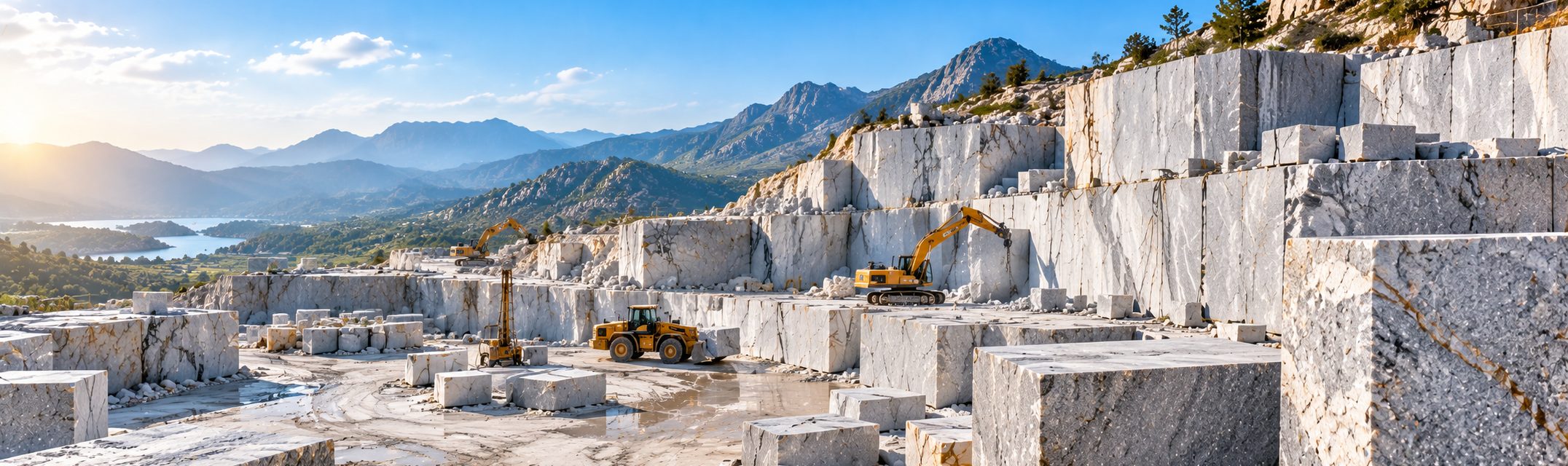
Marble is a metamorphic rock formed when limestone is subjected to intense heat and pressure deep within the earth over millions of years. The result is a uniquely veined, crystalline stone prized by architects and designers since ancient Greece.
Each marble slab is one-of-a-kind. The swirling veins — formed by mineral impurities like clay, silt, and iron oxides — create patterns that can never be exactly replicated. Popular varieties include:
- Carrara White — soft grey veining on a white background; the most classic choice
- Statuario — bold, dramatic veins on a brighter white; considered the luxury benchmark
- Calacatta Gold — thick golden veins; a favourite for high-end kitchens
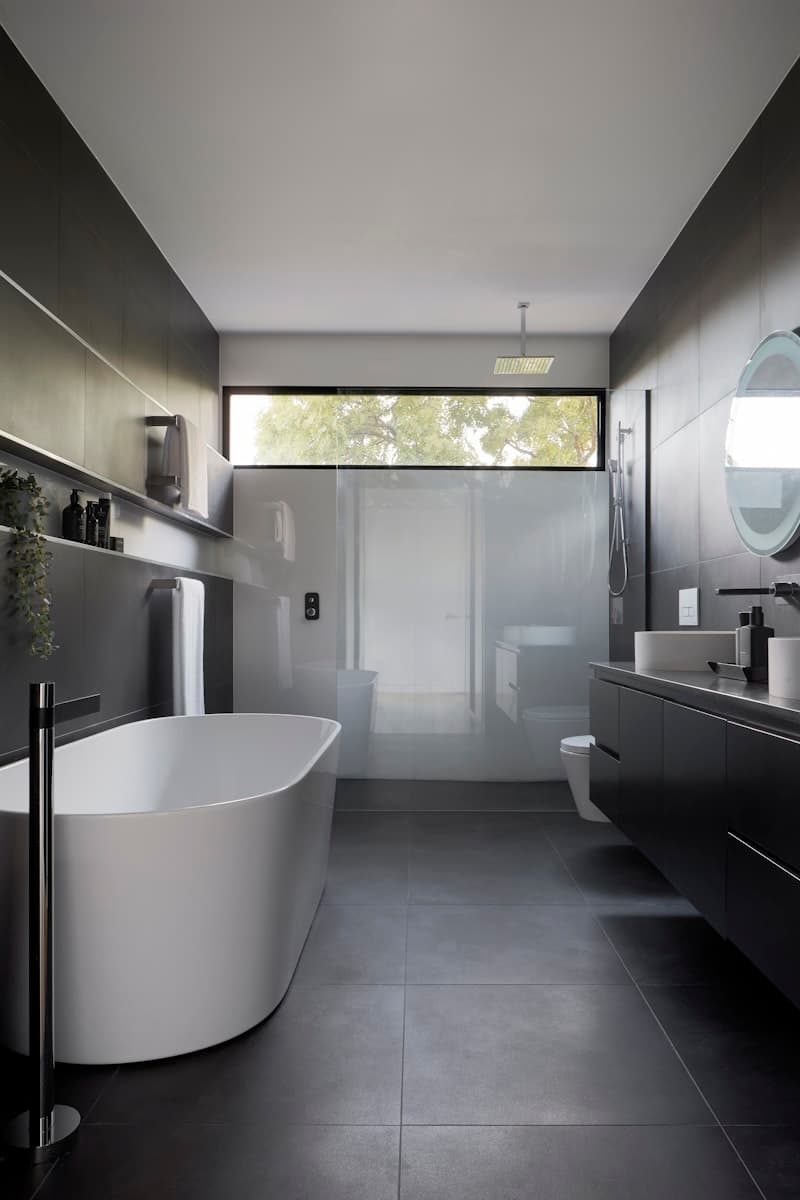
- Nero Marquina — jet black with white veins; striking for bathrooms and accent walls
- Emperador Dark — rich brown tones with gold and white veining
What Is Engineered Quartz?
Engineered quartz (often simply called "quartz") is a man-made composite material consisting of approximately 90–94% crushed natural quartz crystals bound together with polymer resins and pigments. Brands like Silestone, Caesarstone, Cambria, and Cosentino dominate this market.
Because it's manufactured, quartz offers consistent colour and pattern control — something impossible with natural stone. It can mimic marble convincingly, but it can also achieve looks that don't exist in nature.
Appearance: The Aesthetic Verdict
This is perhaps the most subjective dimension of the comparison — and the area where marble still holds a decisive edge for many design purists.
"Marble has soul. Quartz has consistency." — A sentiment we hear frequently from interior designers sourcing through LithoPrime.
Natural marble has an organic depth and luminosity that quartz simply cannot replicate. Light interacts differently with true crystalline stone. However, high-quality quartz has improved dramatically, and for buyers who want a marble look without the maintenance overhead, modern quartz is genuinely impressive.
Winner for unique aesthetics: Marble. Winner for consistent, predictable beauty: Quartz.
Durability: How Do They Hold Up?
This is where the comparison tips decisively in quartz's favour for busy households.
Hardness
On the Mohs hardness scale, natural marble sits at 3–4, while quartz scores 7. This means marble scratches more easily. Quartz resists scratching significantly better.
Porosity
Marble is porous and will absorb liquids. A glass of red wine, a squeeze of lemon juice, or a splash of coffee left for even a few minutes can etch or stain the surface permanently. Sealing helps, but it's not a complete solution.
Quartz is non-porous by nature — bacteria, viruses, and liquids cannot penetrate the surface. This makes it extremely hygienic and ideal for kitchen environments.
Heat Resistance
Interestingly, marble handles heat better than quartz. Quartz's polymer resin binders can discolour or crack under sustained high heat, so trivets are essential.
Winner for durability in everyday use: Quartz, by a significant margin.
Maintenance
Marble must be sealed annually, cleaned with pH-neutral products, and is vulnerable to acid etching from everyday liquids. Quartz requires no sealing and is easy to clean with mild soap and water — making it the clear winner for low-maintenance households.
Cost Comparison
Both materials span wide price ranges. Natural marble ranges from ~$40/sqft for entry-level Carrara to $300+/sqft for rare varieties like Paonazzo. Engineered quartz typically ranges from $50–200/sqft depending on brand and pattern complexity.
Best Applications
Marble excels in bathrooms, feature walls, fireplace surrounds, and luxury residential projects where aesthetics take priority. Quartz shines in high-traffic kitchens, commercial environments, and anywhere hygiene and durability are paramount.
The Verdict
There's no universally better material. Choose marble if you value natural beauty and prestige and are willing to maintain it. Choose quartz if you prioritise durability, hygiene, and low maintenance. Many design professionals use both in the same home — marble for bathrooms and decorative applications, quartz for the kitchen.
Browse verified marble and quartz vendors on LithoPrime to compare options and request quotes directly from global suppliers.
Gallery
Topics