



Polyester Mastics
Knife-grade and liquid polyester adhesives that set in minutes for filling, laminating and quick repairs.
- Filling and repairs
- Edge laminations
- Quick assembly
Best to buy: Feb–Apr, Sep–Oct
Read guideSee mastic vendors
The structural glue of the stone industry.

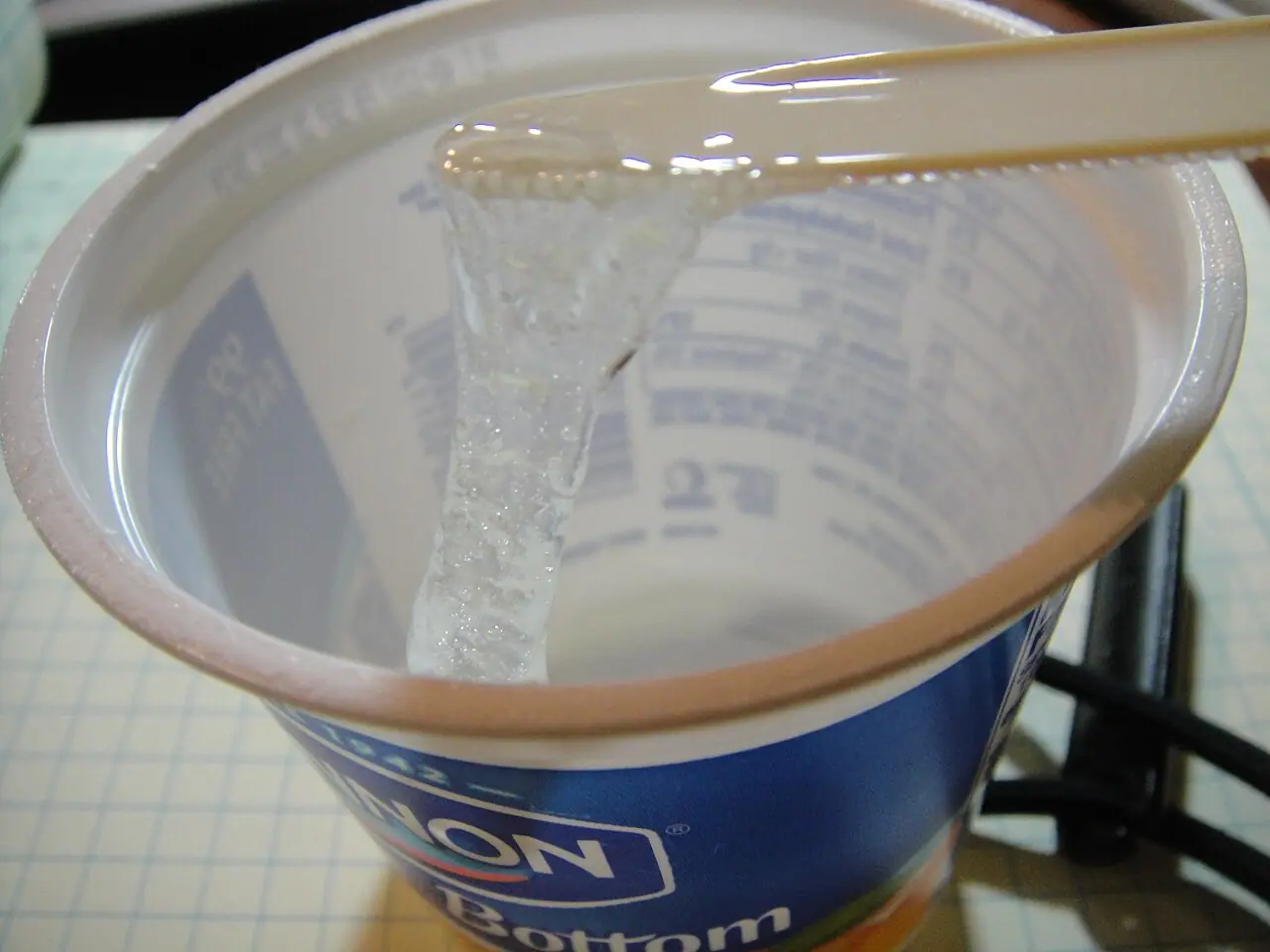
Photo: Dzhang2680, CC BY-SA 3.0
Overview
Two-part epoxies are the structural glue of the stone industry. In factories, low-viscosity epoxy is spread or vacuum-infused into slabs to fill fissures and pores and to bond mesh backing. In workshops, knife-grade and liquid epoxies make seams, mitres, undermount sinks and structural repairs.
Epoxy is stronger, more water-resistant and lower-shrinkage than polyester, but slower to cure. Colour-matched grades exist, and UV-stabilised clear grades resist the yellowing that standard epoxies show in sunlight.
Applications
Origins
Italy Leading source
Stone-specialist resin makers
Germany
Premium stone chemistry
China
Value resins for slab lines
India
Resins for granite processors
Timing
Chemicals are made to order all year. Ship resins and water-based products in mild months: summer heat shortens shelf life in transit, and winter cold can freeze or crystallise them.
Import costs
HS codes
Base import duty (MFN)
 United States2.1% to 6.1%Prepared adhesives 2.1%; epoxy resins 6.1%.
 European Union6.5%
 United Kingdom6%
Importing into the US? Add the 2026 origin surcharge
Section 301 rates in force since 24 July 2026, stacked on the MFN rate above.
Italy10% min.Section 301 (2026) tops the duty up to at least 10% in total; no surcharge if MFN is already higher.Germany10% min.Section 301 (2026) tops the duty up to at least 10% in total; no surcharge if MFN is already higher.China+12.5% & 30112.5% Section 301 (2026) plus the legacy China Section 301 duty (25% on most stone and machinery lines), on top of MFN.India+10%Section 301 (2026) adds 10% on top of the MFN rate.Rates checked October 2026. Indicative rates for planning, not a customs ruling. Duties depend on the exact tariff line, origin, trade agreements and the rules in force on the day of entry. Confirm with a licensed customs broker before you price an order.
Before you order
Price level: More expensive than polyester, and worth it wherever strength matters.
Vendor Network
Compare verified suppliers, or post an RFQ and let them come to you with quotes.
Keep reading
Knife-grade and liquid polyester adhesives that set in minutes for filling, laminating and quick repairs.
Best to buy: Feb–Apr, Sep–Oct
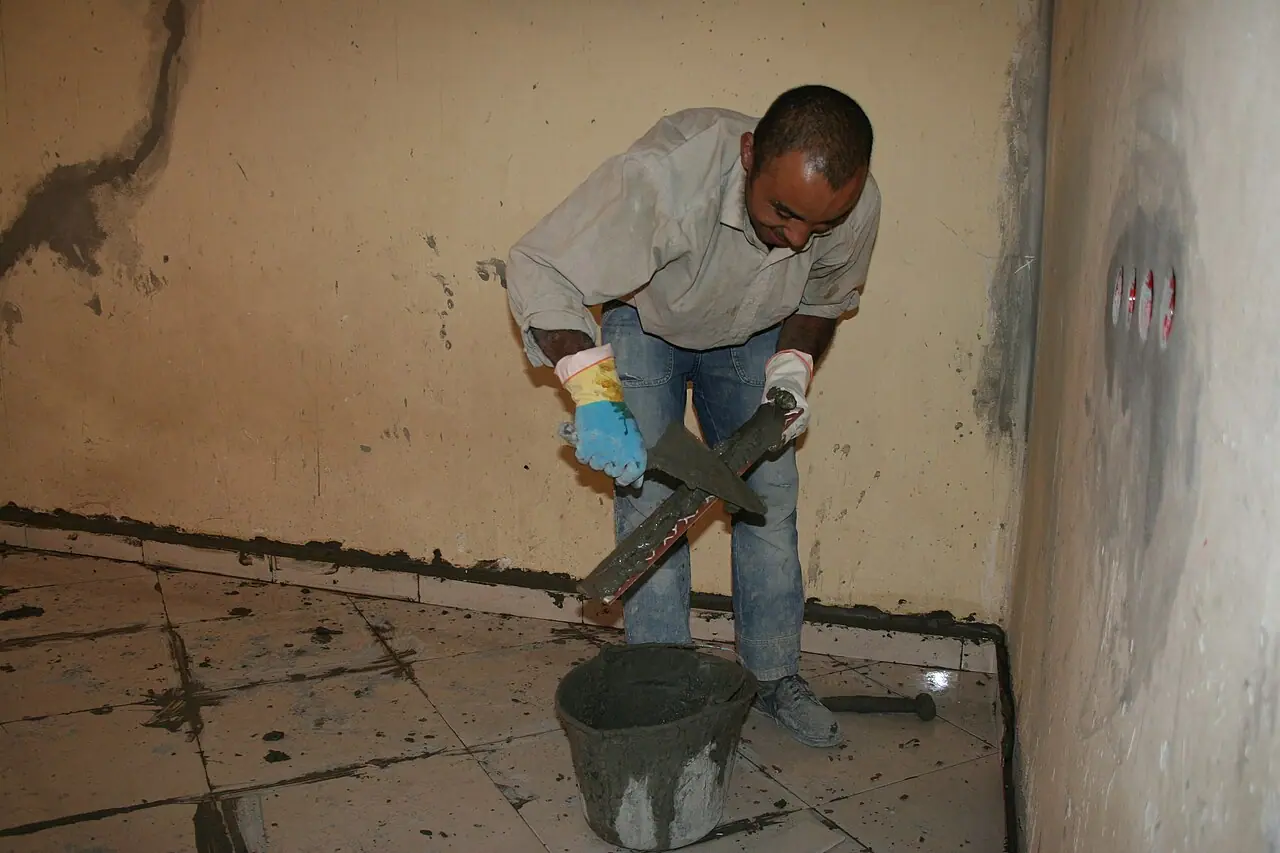
Cementitious and epoxy adhesives and grouts for fixing stone tiles and panels, chosen to the stone's sensitivity.
Best to buy: Feb–Apr, Sep–Oct


Penetrating sealers that line the pores with water- and oil-repellent molecules without forming a film.
Best to buy: Feb–Apr, Sep–Oct