Marble vs Granite vs Quartzite — What's Actually the Difference?
 Team
Team
The Confusion Is Real — and Costly
At stone yards worldwide, the terms "marble," "granite," and "quartzite" are sometimes used loosely or even interchangeably by salespeople. This causes expensive mistakes. A slab sold as "White Granite" might actually be quartzite or even marble — and the distinction matters enormously for how you install and maintain it.
Marble: Metamorphic Limestone
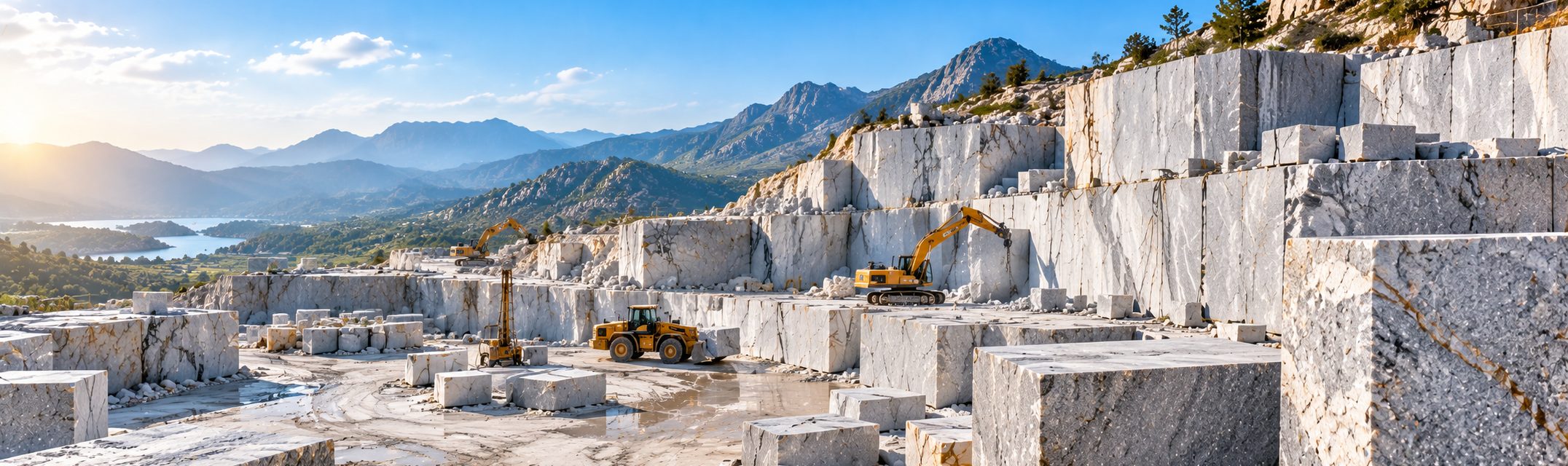
Marble forms when limestone is subjected to intense heat and pressure deep underground. The result is a crystalline, recrystallised rock characterised by its distinctive veining (mineral impurities) and a relative softness (Mohs 3–4).
Key characteristics: Porous, acid-sensitive, etches from citrus/wine/vinegar, develops patina over time, requires annual sealing. Available in extraordinary variety — from Carrara White to Nero Marquina to Emperador Dark.
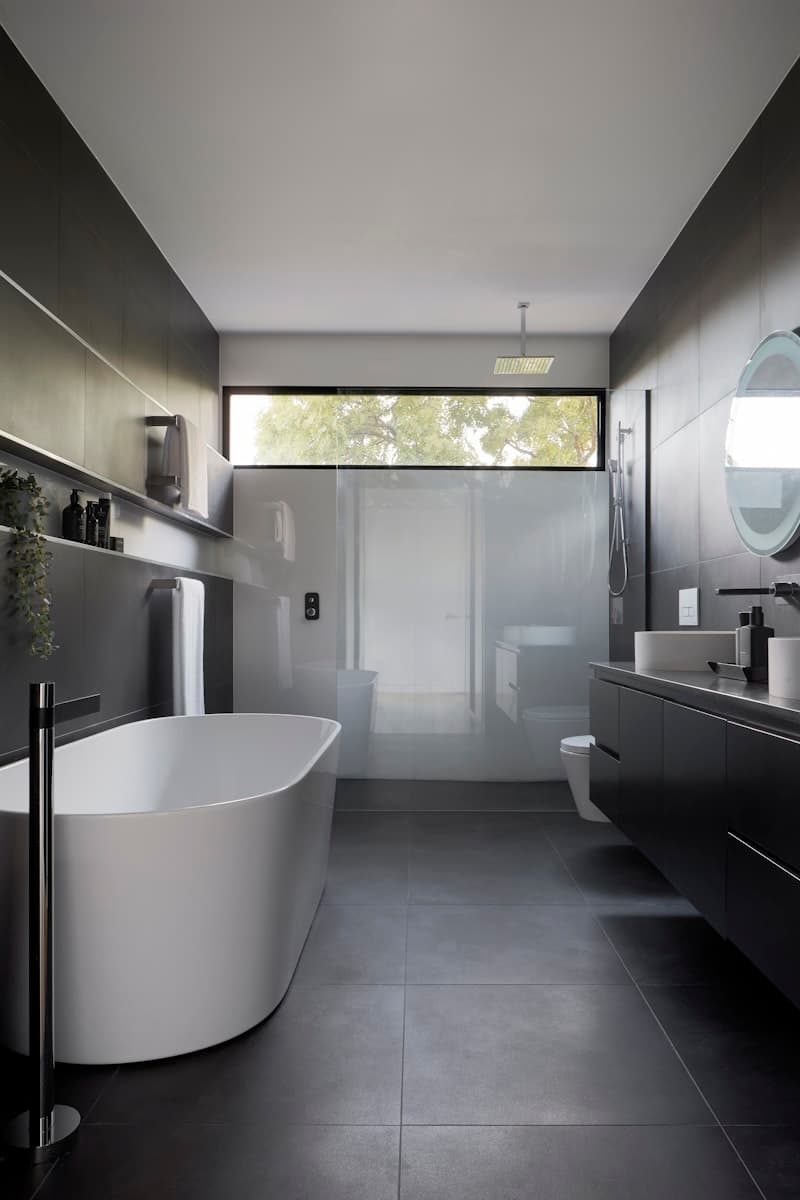
Best for: Bathrooms, feature walls, fireplace surrounds, hotel lobbies, low-traffic residential flooring.
Granite: Igneous Rock
Granite crystallises from slowly cooling magma deep in the earth's crust. The interlocking crystals of quartz, feldspar, and mica give granite its distinctive speckled or granular appearance — and its exceptional hardness (Mohs 6–7).
Key characteristics: Very hard, low porosity, chemically resistant, UV-stable for exterior applications. No two slabs are identical, but the variation is less dramatic than marble's veining.
Best for: Kitchen countertops, commercial flooring, exterior cladding, any high-traffic or high-use application.
Quartzite: Metamorphic Sandstone
Quartzite is formed when sandstone is metamorphosed under heat and pressure. It's predominantly composed of quartz grains (Mohs 7) fused together — making it the hardest of the three natural stones covered here.
The critical confusion: Many slabs sold as "White Marble" in trade are actually quartzite (e.g., Taj Mahal, Sea Pearl, Mont Blanc). Quartzite can look remarkably like marble but is significantly harder and less porous.
Key characteristics: Very hard, relatively low porosity (varies by variety), sophisticated veining aesthetics similar to marble but more durable in use.
Best for: Kitchen countertops where marble aesthetics are desired without marble's maintenance overhead; high-end flooring; bathroom vanities.
Quick Reference Table
| Property | Marble | Granite | Quartzite |
|---|---|---|---|
| Hardness (Mohs) | 3–4 | 6–7 | 7 |
| Acid Resistance | Poor | Excellent | Good–Excellent |
| Porosity | High | Low | Low–Medium |
| Maintenance | High | Low | Low–Medium |
When in doubt, ask your supplier for the petrographic classification of any slab you're considering. On LithoPrime, vendor listings include stone type specifications — and you can message suppliers directly to request technical documentation.
Topics