Sandstone vs Limestone for Exterior Cladding — Which Should You Specify?
 Team
Team
Geological Background
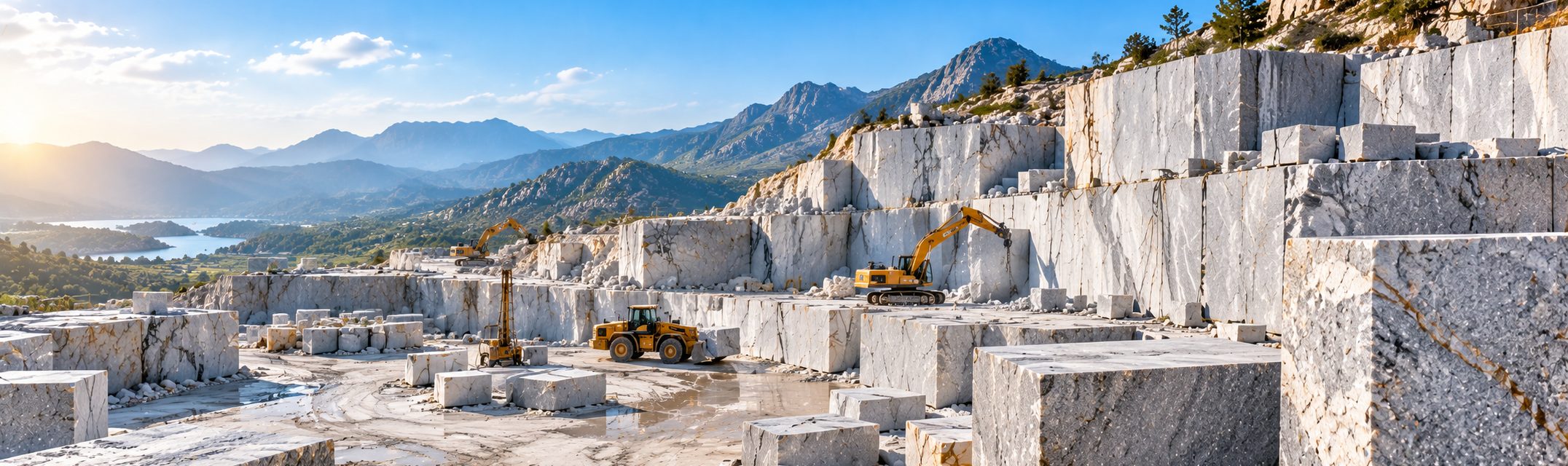
Sandstone is a sedimentary rock composed of sand-sized grains (primarily quartz) cemented together. The cement material — silica, calcite, or iron oxide — determines its strength and colour. Limestone is a sedimentary rock composed predominantly of calcium carbonate (calcite), formed from marine organism shells and skeletons or by chemical precipitation.
Performance in Different Climates
Cold / Freeze-Thaw Environments
This is where the two materials diverge most significantly. Limestone, particularly high-porosity varieties, is vulnerable to frost damage: water enters the pore structure, freezes, expands, and over time causes spalling and surface deterioration. Dense, low-porosity limestone performs better, but always specify frost resistance testing (EN 12371) for cold climate applications.
Silica-cemented sandstone generally performs well in freeze-thaw conditions due to its lower porosity. Rajasthan sandstone (India), Moreton Bay sandstone (Australia), and Yorkshire sandstone (UK) have all proven track records in cold climates.
Coastal and Marine Environments
Both materials face challenges in marine environments — salt crystallisation within the pore structure (salt weathering) is a primary deterioration mechanism. Dense, low-porosity varieties of both perform better. Portland Stone (a limestone used extensively in London's historic buildings) is a well-documented case study in marine environment durability when well-specified.
Hot, Dry Climates
Both sandstone and limestone perform well in hot, dry climates — these conditions are generally less stressful on stone than freeze-thaw or marine exposure. The primary concern is UV stability of any applied sealers and colour stability of iron-rich sandstones (which can oxidise/bleach over time).
Aesthetic Considerations
Sandstone offers a wider natural colour range (from cream to red-brown to grey-green) and a naturally textured surface that works particularly well with contemporary architectural aesthetics. Limestone offers refined uniformity and responds beautifully to carving and profiling — making it the historic material of choice for classical architecture.
Cost
Indian sandstone (particularly Rajasthan varieties) is among the most competitively priced facade stone globally — $15–35/sqm for standard formats. European limestone (French Burgundy Stone, Portuguese Lioz) commands significantly higher prices ($60–120/sqm) but comes with documented track records and CE certifications required for many European commercial projects.
Topics