Quarry Waste and the Circular Economy — The Industry's Next Efficiency Play
 Team
Team
The yield problem
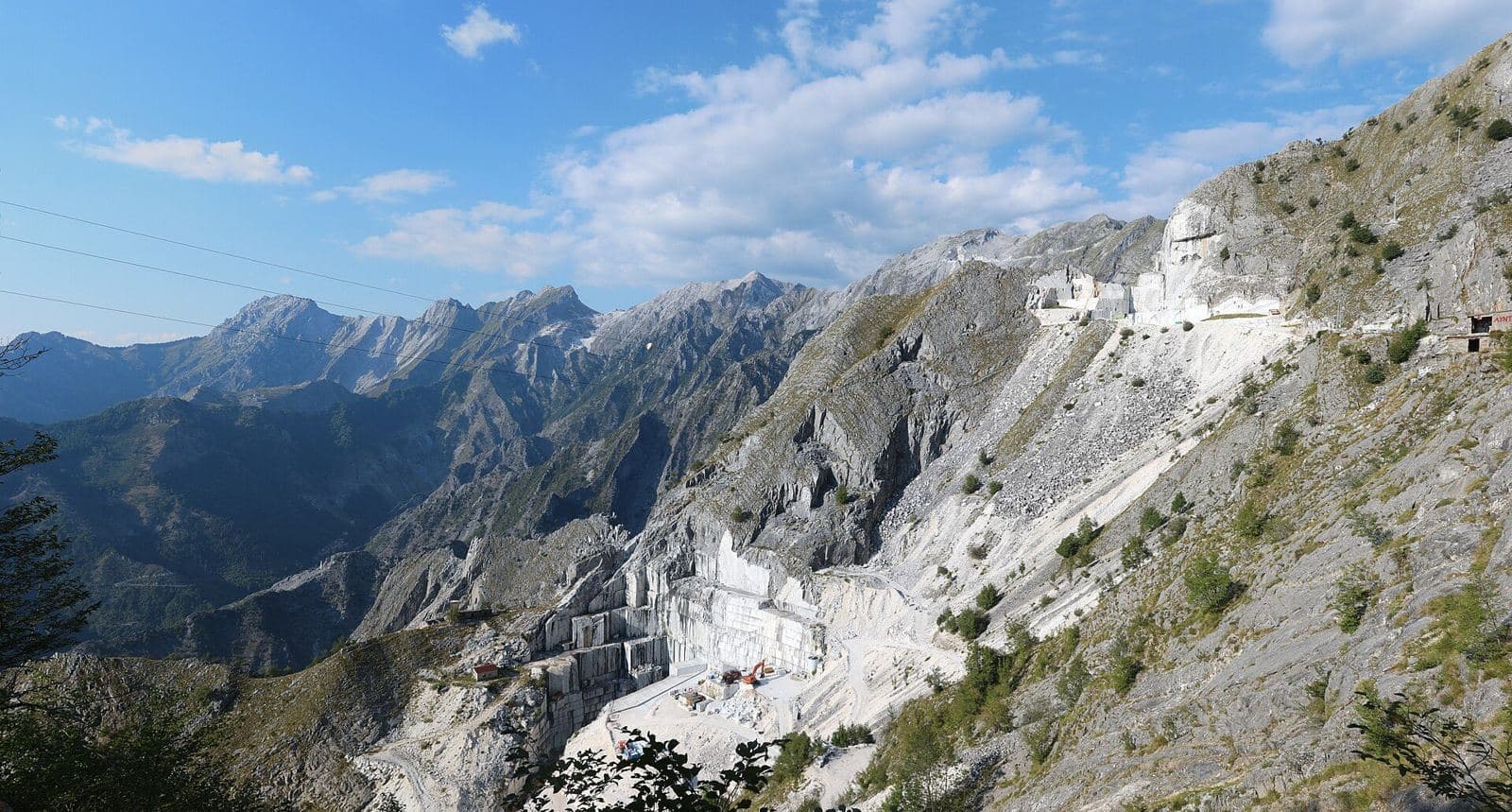
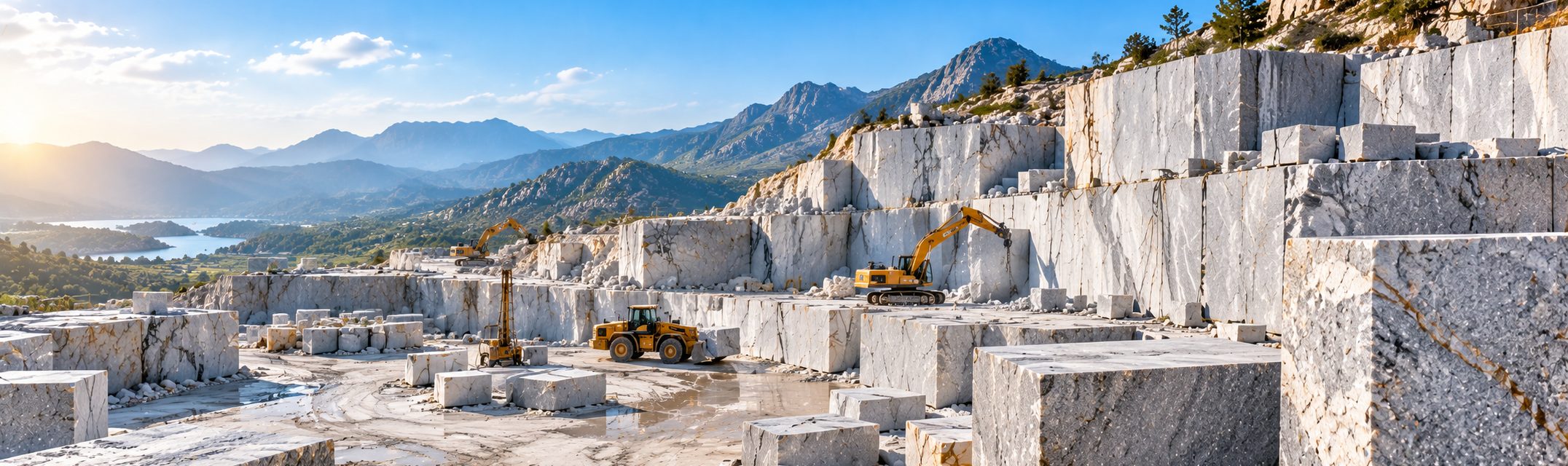
Dimension stone extraction is inherently low-yield. A quarry face produces blocks, but a large proportion of extracted material is rejected for fractures, colour inconsistency or geometry before it ever reaches a saw. Sawing then generates offcuts and slurry, and finishing generates more. The precise ratios vary enormously by deposit and by product, but every operator knows the direction: a substantial share of what leaves the mountain never leaves the yard as a saleable slab.
Historically that material was stockpiled on site or landfilled. Three things changed the economics.
What changed
- Disposal became expensive. Landfill costs and tighter permitting conditions turned a free dumping ground into a line item.
- Permitting got harder. New extraction permits are slower and more contested in most jurisdictions. Getting more product out of an existing permitted deposit is often cheaper than opening a new one.
- Secondary markets matured. There is now real demand for the outputs.
Where the waste actually goes
- Aggregate and construction fill — the highest-volume, lowest-value outlet, but it clears the stockpile.
- Calcium carbonate powder — marble fines processed into filler for paint, plastics, paper, and agricultural lime. For calcareous stone this is often the most valuable secondary stream.
- Terrazzo and agglomerate — offcuts bound into engineered products.
- Mosaic, split-face and random-size cladding — small offcuts sold as products in their own right, and genuinely fashionable at the moment.
- Slurry filter cake — dewatered sawing slurry used in cement production and soil conditioning, subject to composition testing.
Quarry reclamation is part of the same conversation
Modern permits increasingly require a funded restoration plan at the point of application: landform reprofiling, habitat creation, water management, and in some cases end-use conversion to recreation or water storage. Operators who treat reclamation as a design input at the start, rather than a cost at the end, get through permitting faster.
Why buyers should care
If you are specifying stone on a project with sustainability targets, ask your supplier two questions: what happens to their waste stream, and whether they have a documented reclamation plan. A supplier with real answers is usually a well-run operation in other respects too — the same discipline that manages a waste stream tends to manage block traceability and quality grading.
Further reading
- Natural Stone Institute — sustainability resources
- European Commission — Circular Economy Action Plan
- EPD International — where waste-stream data feeds into declared impacts.
Topics