Sustainable Stone Sourcing — Certifications and Best Practices
 Team
Team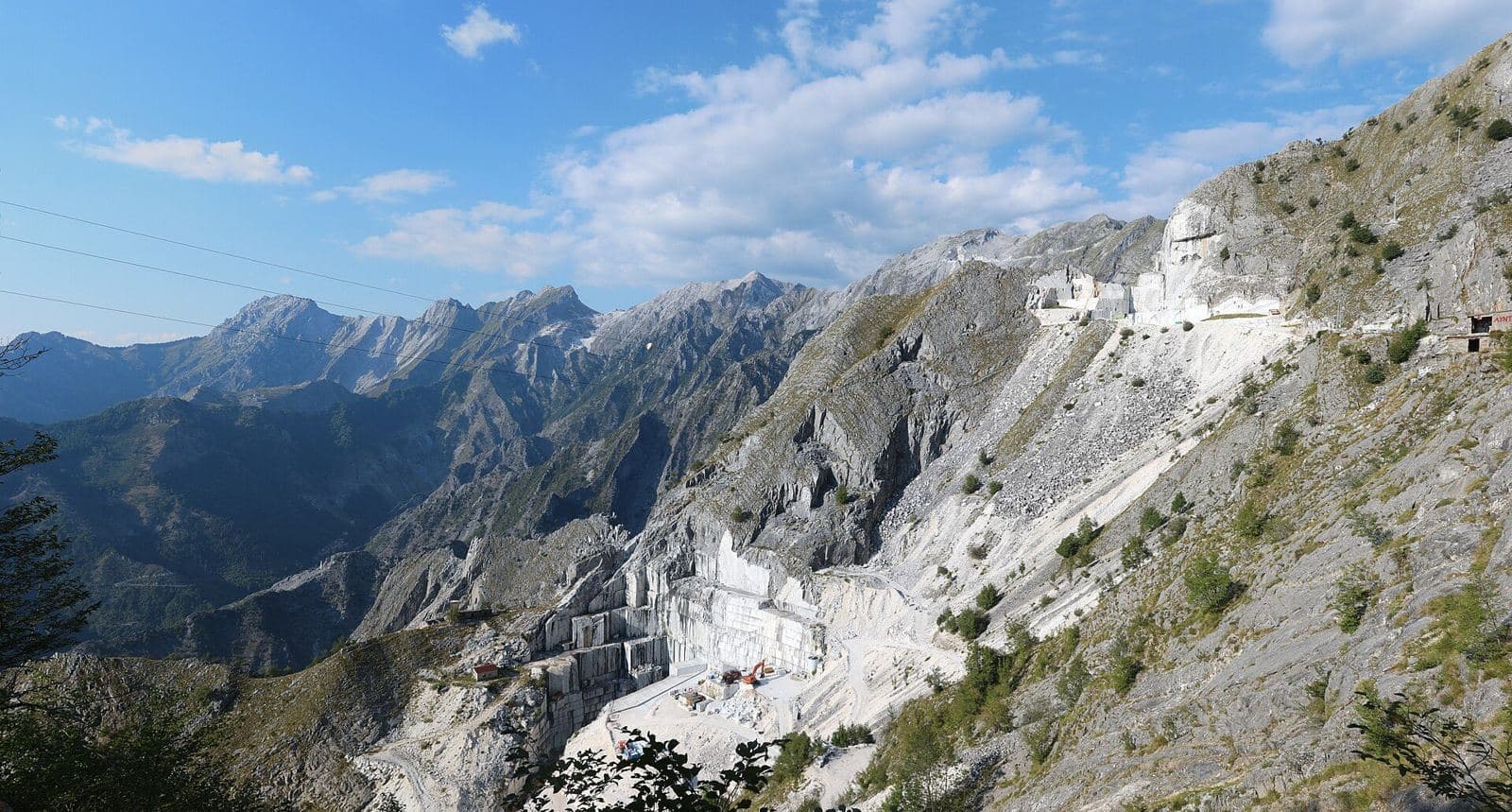
Why sourcing is the sustainability question
Natural stone starts with an advantage most building materials do not have: it is formed by geology rather than manufactured, it needs no binder or kiln, and a well-specified floor or facade can outlast the building it was designed for. But "natural" is not the same as "low impact". Almost all of a stone product's footprint is decided before it reaches site — at the quarry, in the processing plant, and on the road and sea between them. That is why sustainability in stone is, overwhelmingly, a sourcing question.
This guide covers what actually drives the impact, which certifications and declarations mean something, and a practical checklist for choosing suppliers.
Where the impact comes from
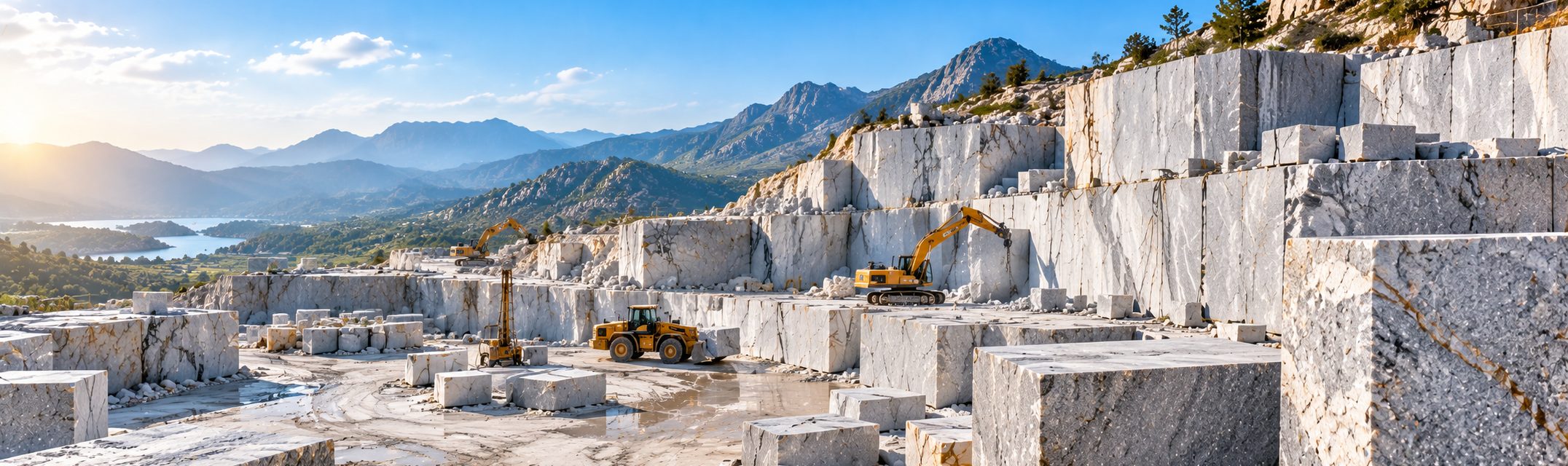
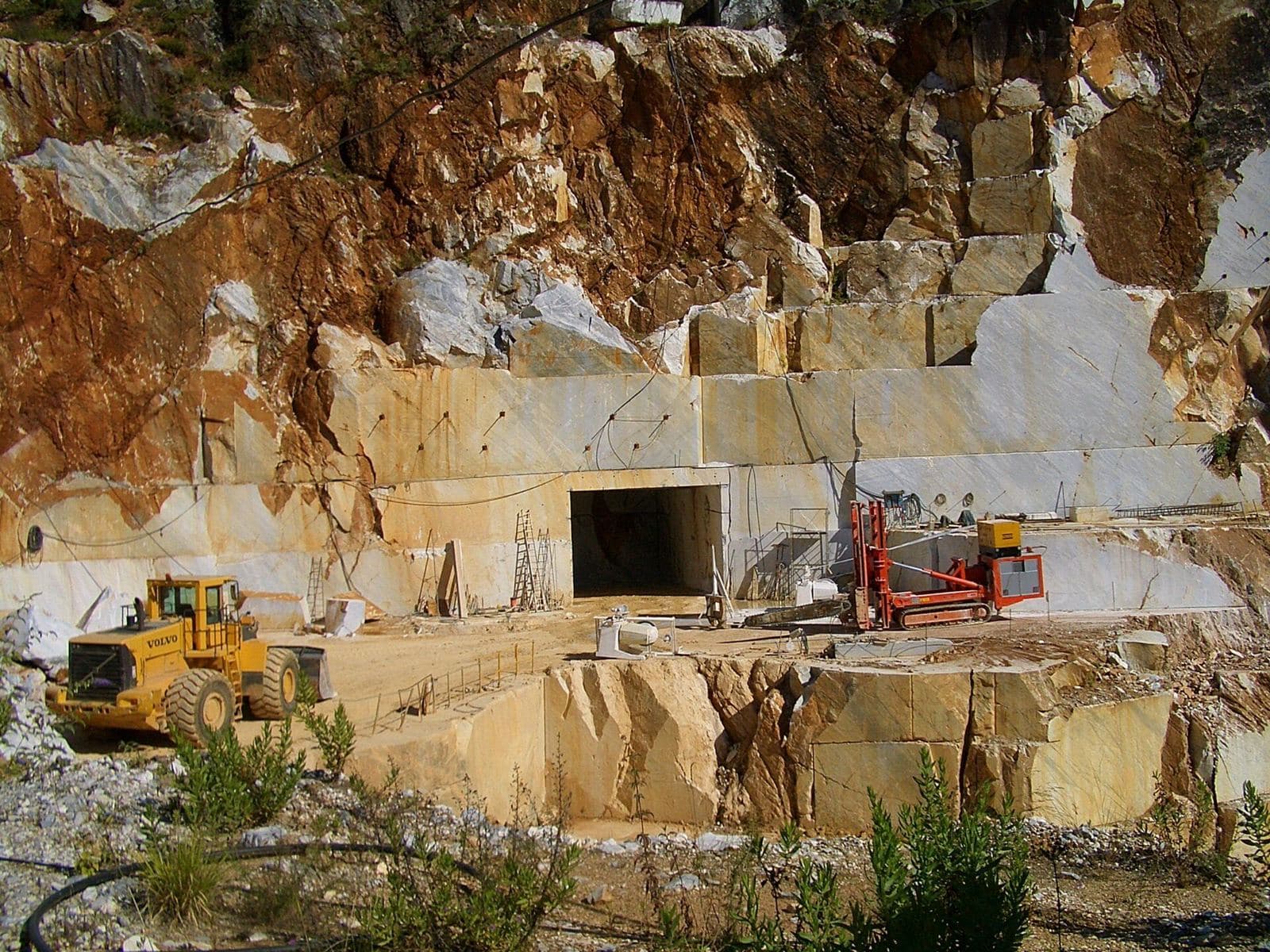
- Extraction. Land disturbance, waste rock, dust, noise and water use. The quality of the quarry's permit, its waste management and — crucially — its rehabilitation plan make the difference between a responsible operation and a scar.
- Processing. Gang saws, wire saws, calibrating and polishing lines use significant electricity and water. Plants that recycle process water and capture slurry have a much lower footprint than those that do not.
- Transport. Stone is heavy, so distance and mode matter. Sea freight is efficient per tonne-kilometre; long truck legs are not. A regional stone can beat an imported one on carbon even when the imported quarry is better run.
- Yield. Every block that becomes offcuts rather than product carries its full extraction footprint for nothing. High yield — through good block selection, digital nesting and selling secondary material — is one of the most effective sustainability levers in the trade.
Certifications and declarations worth asking for
There is no single global "green stone" label, so buyers usually combine several documents. These are the ones that carry weight with specifiers:
- ANSI/NSC 373 — Sustainable Production of Natural Dimension Stone. A multi-attribute standard developed with the Natural Stone Council and certified by third parties. It covers water, energy, land management, waste, transport and corporate governance at quarry and plant level, with tiered ratings. It is the closest thing the industry has to a dedicated sustainability certification.
- Environmental Product Declarations (EPDs). Third-party-verified life-cycle data, prepared under ISO 14025 and, in Europe, the construction-product rules of EN 15804. An EPD is not a claim that a product is "good"; it is transparent, comparable data — and it is what green-building rating systems and, increasingly, regulation ask for.
- ISO 14001. Certifies an environmental management system, not a product. It tells you the company measures and manages its impacts, which is a sensible minimum for a serious supplier.
- ISO 45001 and silica controls. Occupational health and safety belongs in any honest definition of sustainability. Respirable crystalline silica is the defining health hazard in stone processing, and a supplier's dust controls say a lot about how it runs.
- Social standards for supply chains. In some sourcing regions, labour conditions are the main risk. Independent schemes such as XertifiX and Fair Stone audit quarries and processors against social standards, including child and forced labour. If you buy from regions where these risks are documented, ask for this evidence explicitly.
How green-building ratings use this
LEED, BREEAM and similar systems reward product transparency (EPDs), responsible sourcing of raw materials, and regional materials. The details differ by scheme and version, so check the specific credit language on your project — but the pattern is consistent: the documents above are what earn points. Our guide to LEED credits and natural stone goes through this in detail.
A practical supplier checklist
- Ask for the quarry name and location, the operating permit, and the rehabilitation or closure plan.
- Ask whether the plant recycles process water and how slurry and offcuts are handled or sold.
- Request an EPD — or, if none exists, the energy and water data per square metre that one would be built from.
- Check for ANSI/NSC 373 certification, ISO 14001 and ISO 45001.
- For higher-risk regions, ask for independent social audit evidence, not a self-declaration.
- Compare transport routes, not just quarry practices — a nearer source may be the lower-carbon choice.
- Specify for longevity: the right thickness, finish and fixing for the use, so the stone never needs replacing.
Designing for a longer life
The most sustainable stone is the one that is never replaced. Durable detailing, maintainable finishes and fixings that allow future reuse multiply the value of every tonne extracted. Reclaimed stone — paving, cladding and even structural blocks recovered from demolition — is a growing market, and specifying it where possible closes the loop entirely.
The bottom line
Sustainable sourcing is less about finding a perfect stone and more about asking the right questions and rewarding suppliers who can answer them. On LithoPrime, vendors can publish certifications and quarry details on their profiles — shortlist the ones who do, and ask the rest for the documents above before you commit.
Further reading
- Natural Stone Council — background on ANSI/NSC 373 and stone life-cycle research.
- EPD International — registry of published Environmental Product Declarations.
- ISO 14001 — environmental management systems.
- XertifiX and Fair Stone — social standards for natural stone supply chains.
Certification schemes and rating-system credits are revised periodically. Confirm current requirements with the scheme owner and your project's sustainability consultant.
Photos: Marble Quarry near Carrara by Ingo Mehling, CC BY-SA 4.0, via Wikimedia Commons; Blocks of marble in Carrara marble quarry by Vmenkov, CC BY-SA 3.0, via Wikimedia Commons.
Gallery
Topics