Red Sea Reroutes and Stone Freight — Planning Lead Times in a Volatile Shipping Market
 Team
Team
What changed
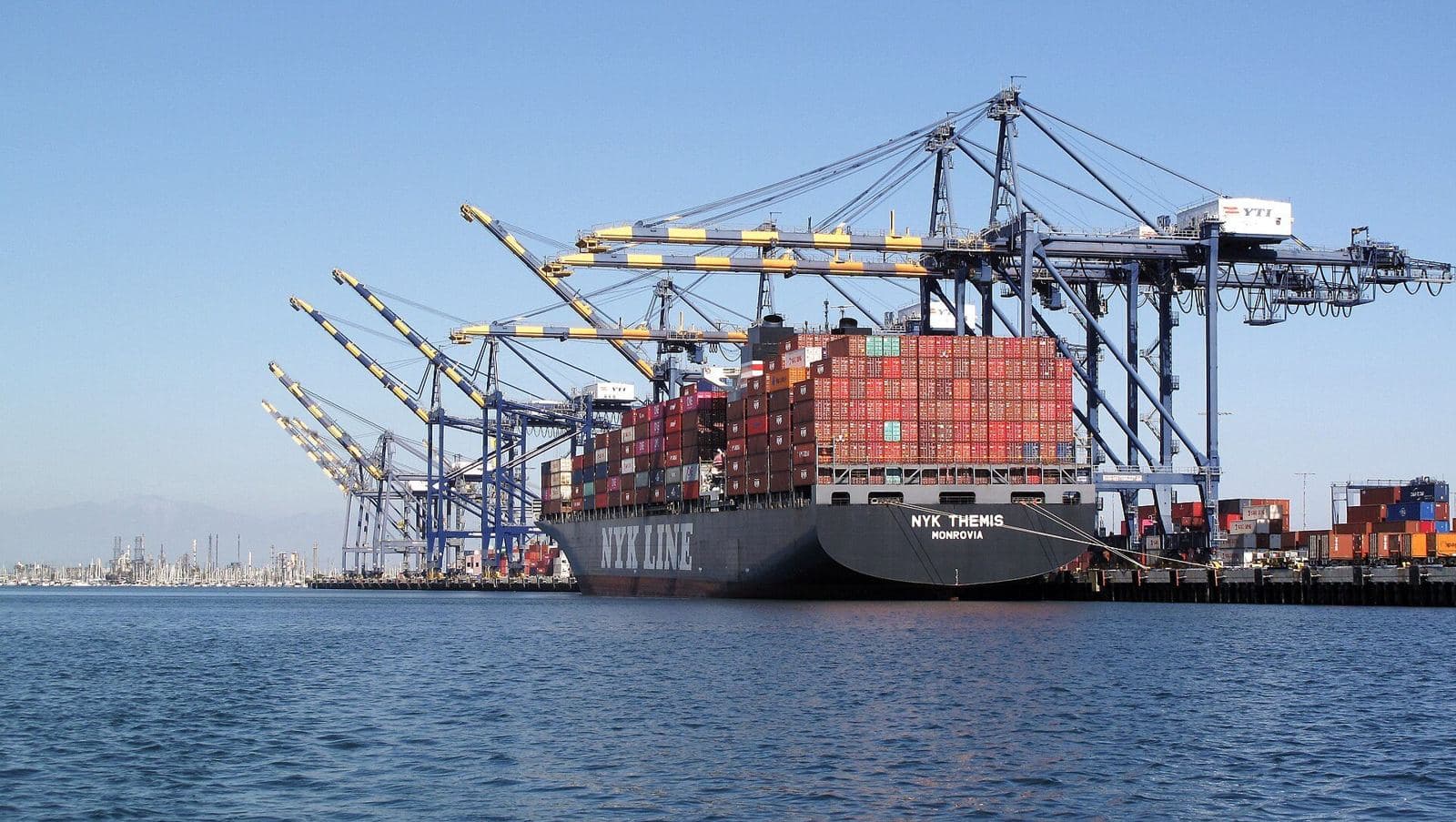
From late 2023, attacks on commercial shipping in the Red Sea led many carriers to suspend Suez Canal transits and route Asia–Europe services around the Cape of Good Hope instead. The detour adds significant sea time to a India or Gulf to Northern Europe rotation, absorbs vessel capacity, and — because capacity absorbed is capacity removed from the market — pushed spot rates up sharply during the worst periods. Conditions have fluctuated since, and routing decisions differ by carrier and by service.
Why stone feels it more than most cargo
Stone is heavy, low-value-per-kilo, and almost always moves in full containers on ocean freight. Air freight is not a fallback at any realistic price. When ocean transit stretches, a stone project schedule stretches with it — there is no expedited alternative to buy your way out of.
The planning adjustments that actually help
1. Quote lead time as a range, not a date
Give your client a window and state the routing assumption behind it. "10–14 weeks assuming Suez routing; add 2–3 weeks if the service routes via the Cape" is a professional answer. A single confident date that later slips damages trust more than the delay itself.
2. Order the critical path first
Split the order. Get the long-lead, high-visibility material — the lobby floor, the feature wall — moving early, and follow with secondary areas. This is standard practice on well-run projects and costs little.
3. Fix routing in the contract of carriage, not in conversation
Ask your forwarder to confirm the intended routing in writing at booking. Rates quoted on a Suez assumption and delivered via the Cape are a common source of dispute.
4. Re-examine your Incoterm
Under CIF or DAP the seller carries freight risk; under FOB the buyer does. In a volatile rate environment, who bears an unexpected surcharge is not a detail. Whatever you choose, name the Incoterms 2020 rule explicitly on the invoice.
5. Insure to replacement, not to invoice
Longer voyages with more handling mean more opportunity for breakage. Check that your marine cargo cover reflects the delivered cost of replacing stone, not just the ex-works value.
The strategic response: shorten the lane
Some European buyers have shifted part of their volume toward Turkish, Portuguese, Spanish and Greek supply specifically because those lanes are short, road-or-shortsea served, and not exposed to the same chokepoint. That is not an argument against Indian or Far Eastern supply — it is an argument for not having your entire programme depend on one long lane.
Further reading
- ICC Incoterms® 2020 — who bears freight and risk under each rule.
- UNCTAD Review of Maritime Transport — annual data on trade routes, rates and chokepoints.
- International Maritime Organization — advisories on maritime security.
Routing and rate conditions change continuously. Confirm current transit times and routing with your freight forwarder before committing to a delivery date.
Gallery

Topics