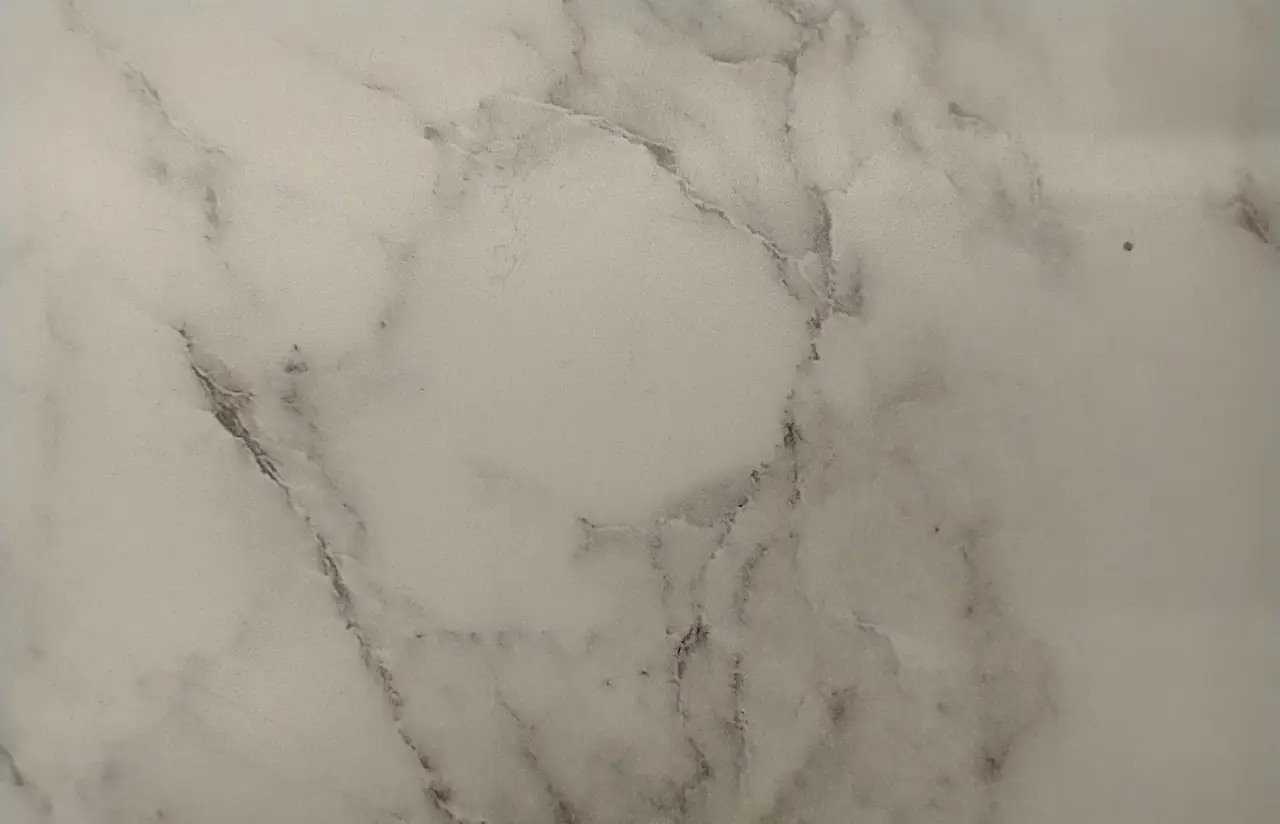
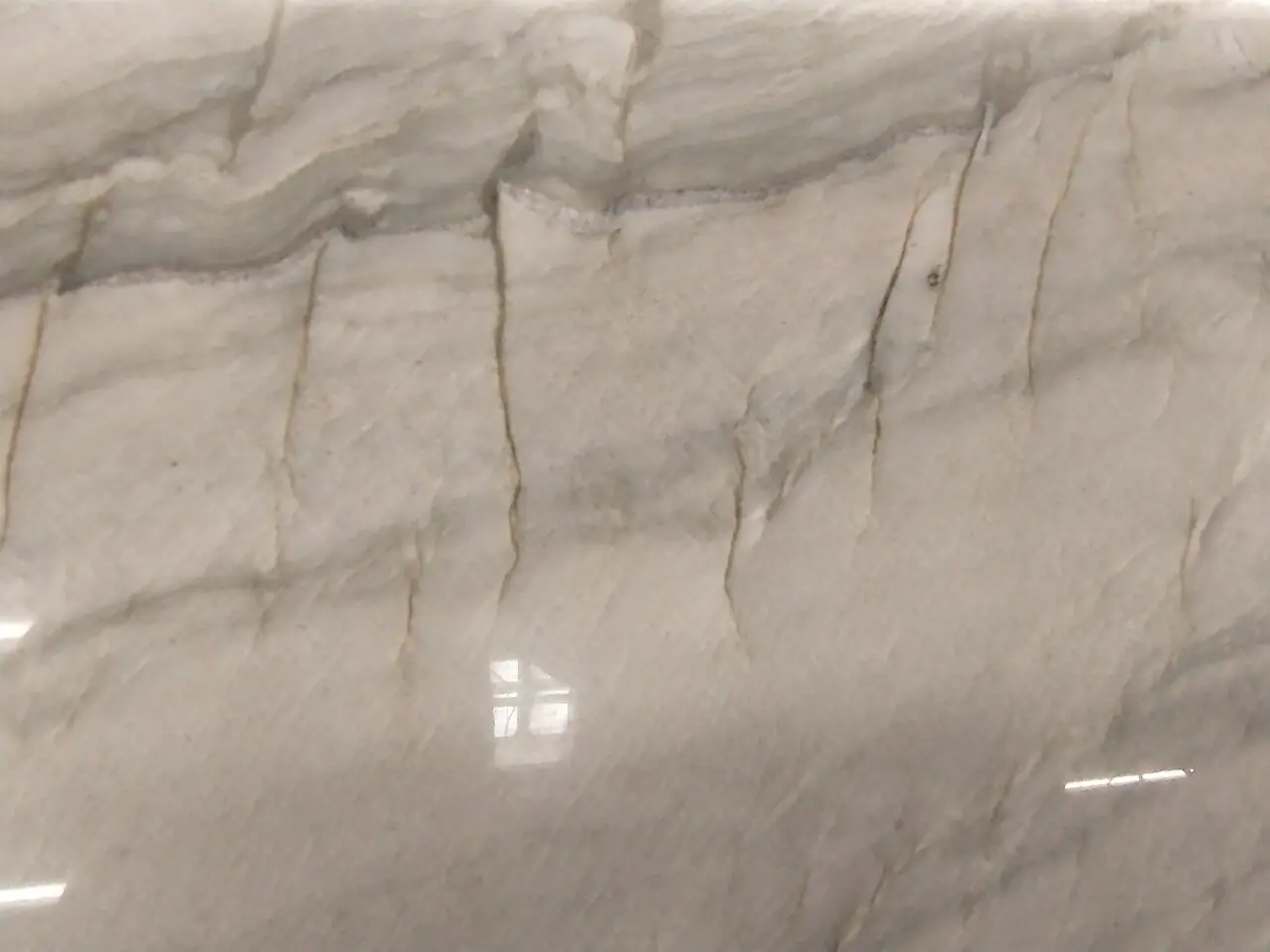
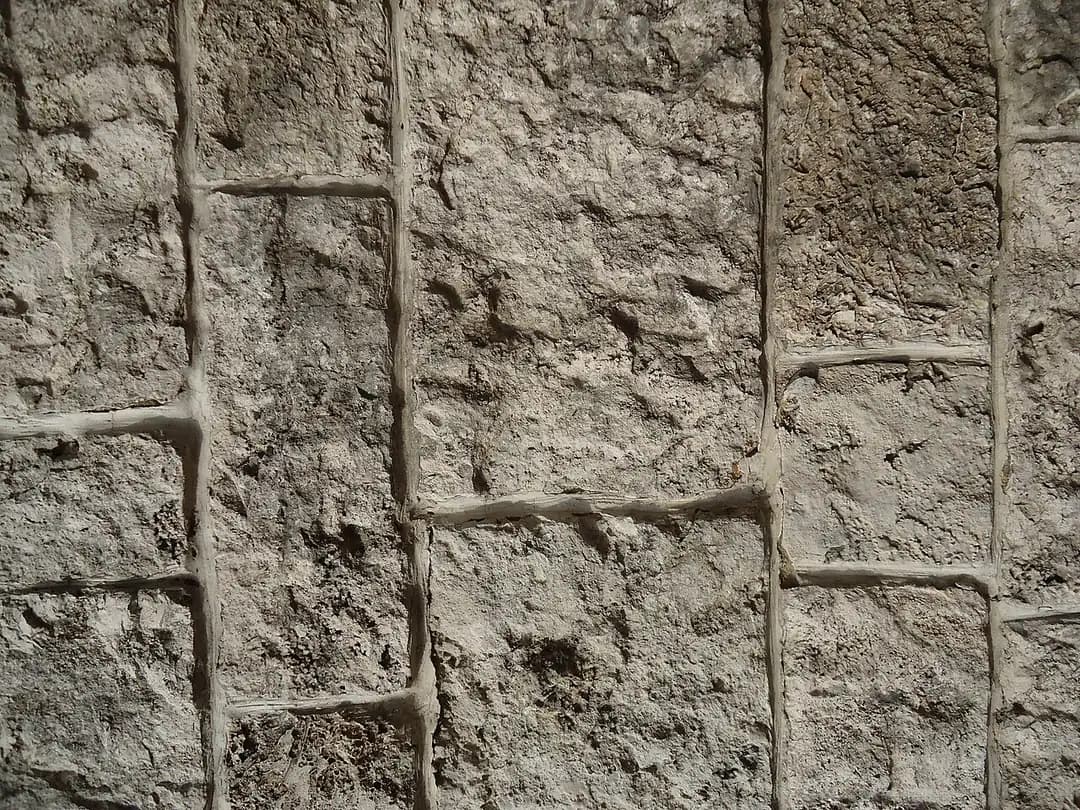
Granite is an igneous rock that crystallised slowly from magma, locking quartz, feldspar and mica into a hard, granular mosaic. In the trade, "granite" covers almost any hard silicate stone, including gneiss, gabbro and larvikite: Absolute Black is a gabbro and Blue Pearl a larvikite. What unites them is performance.
Granite resists scratching, heat and household acids far better than marble, so it has long been the default for kitchen worktops, high-traffic floors, stairs, exterior cladding, paving and memorials. It's also the backbone of world stone trade by volume.
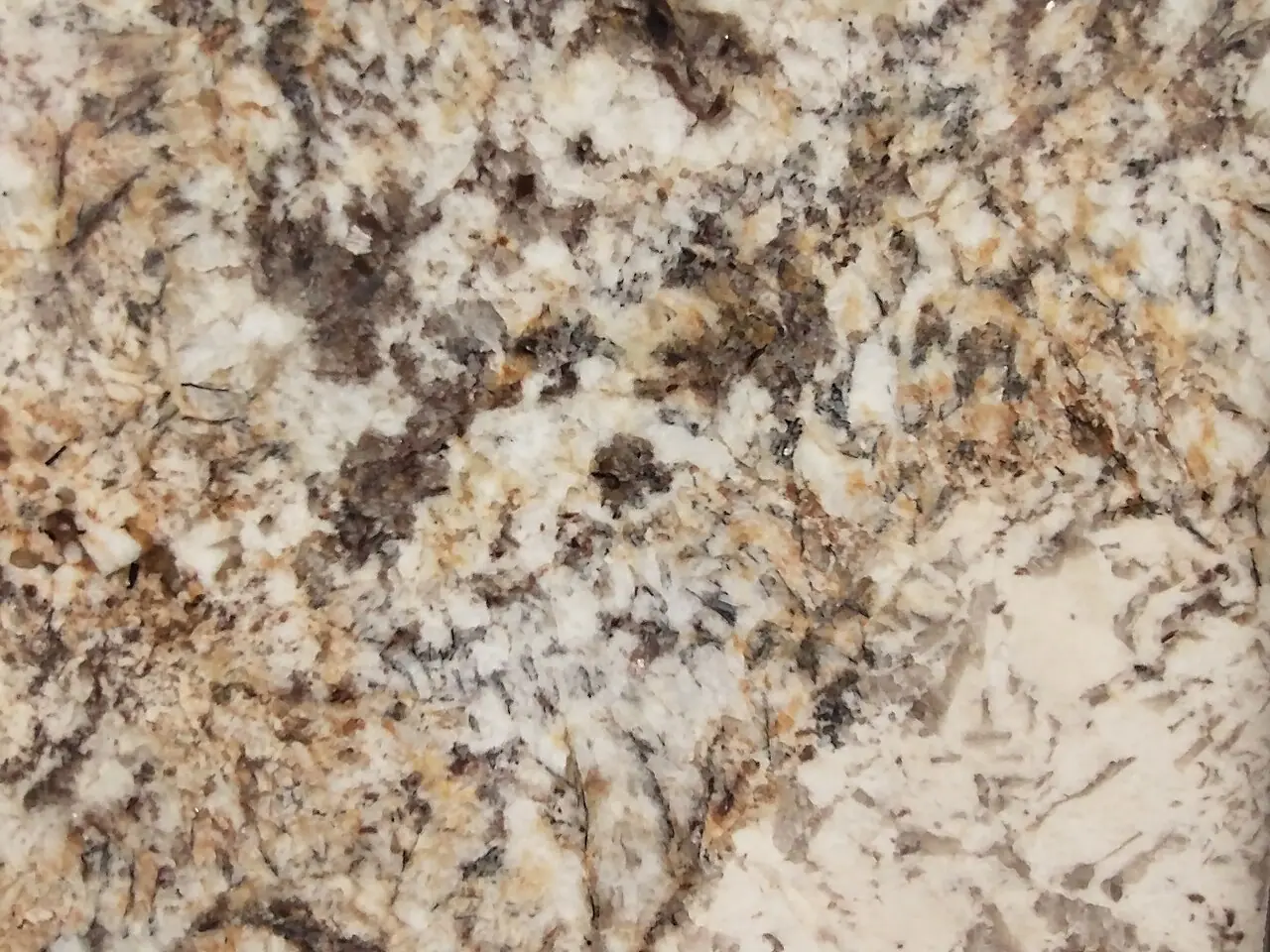
Colour and pattern range from uniform blacks and greys to dramatic "exotic" slabs with swirling crystals. The exotics are often more fragile and resin-treated, so they deserve the same scrutiny as a premium marble.
- Rock type
- Igneous (trade granite includes gneiss and gabbro)
- Hardness
- 6 to 7 Mohs
- Water absorption
- ≤ 0.40% (ASTM C615 limit)
- Heat and acid
- Excellent: won't etch
- Common thickness
- 20 and 30 mm slabs; 30 mm+ paving
- Finishes
- Polished, honed, leathered, flamed, bush-hammered






 United States
 European Union
 United Kingdom