Stones buying guideLast updated October 2026

Travertine

Warm, textured hot-spring stone, from the Colosseum to modern patios.

Price level
Mid-range
Best to buy
Mar–May, Sep–Oct
Top sources
Turkey flagItaly flagIran flagMexico flagPeru flag

Overview

What is travertine?

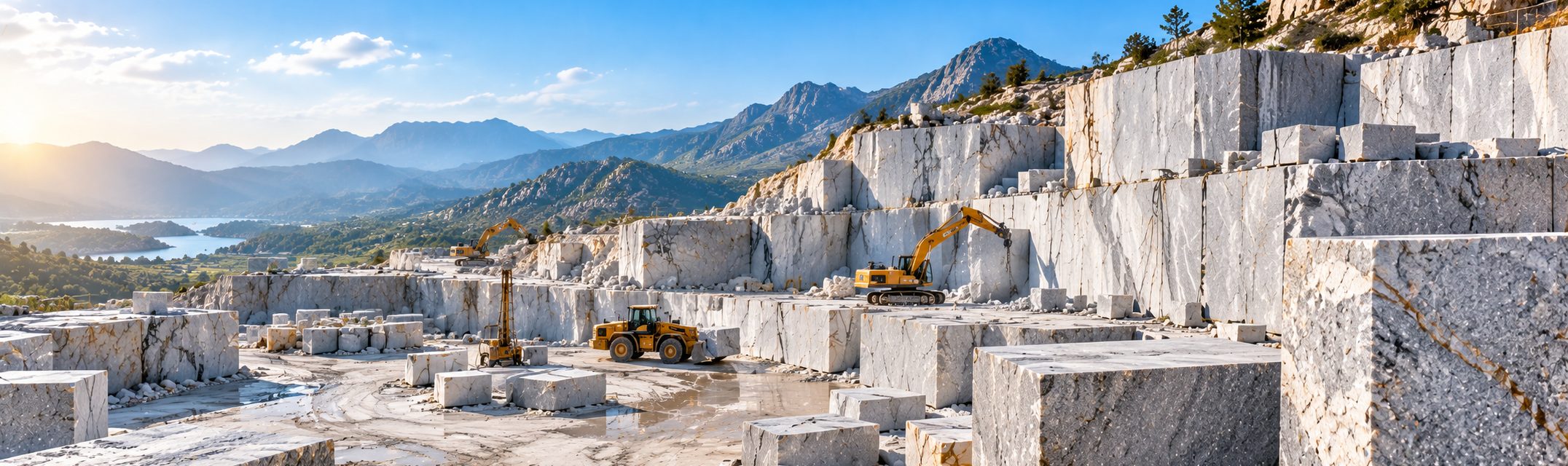
Travertine is a limestone deposited by hot mineral springs. As carbon dioxide escapes from the water, calcite precipitates in layers and traps gas and plant matter, which gives travertine its characteristic holes and linear banding. It built the Colosseum and is firmly back in fashion in contemporary interiors and furniture.

The holes can be filled with cement or resin, left open, or softened by tumbling for an antique look. The cut direction changes the look completely: vein-cut shows linear bands, while cross-cut (fleuri) shows a cloudy, flowery pattern.

Grades (premium, standard, commercial) differ mainly in shade consistency and the size and number of holes. Price follows the grade closely.

Rock type
Sedimentary (hot-spring limestone)
Hardness
3 to 4 Mohs
Water absorption
Higher than marble; varies by density
Acid sensitivity
High: etches
Cuts
Vein-cut (linear) or cross-cut (cloudy)
Finishes
Filled and honed, polished, tumbled, brushed, chiselled
Applications

Best used for

  • Patios and garden pavingTumbled and brushed finishes are naturally slip-resistant.
  • Pool decks and copingLight colours stay comfortably cool underfoot in the sun.
  • Façades and claddingDense Italian and Turkish grades have clad buildings for centuries.
  • Bathroom walls and floorsWarm, spa-like look when filled and honed.
  • Furniture and objectsUnfilled travertine tables and consoles are a design staple.

Think twice for

  • Kitchen worktops. Acids etch it and open pores trap spills.
  • Harsh freeze-thaw exteriors. Use dense, frost-tested grades only.

Know the names

Popular varieties

  • Classic / Light

    Turkey

    Beige with soft bands. The patio staple.

  • Noce

    Turkey

    Walnut brown with rich variation.

  • Silver

    Turkey

    Cool grey with linear veining.

  • Ivory

    Turkey

    Pale cream, the most contemporary tone.

  • Travertino Romano

    Italy

    Historic warm beige from Tivoli.

  • Red Travertine

    Iran

    Rust red and banded.

Origins

Which countries to source from

The producing countries that matter for travertine, what each is known for, and a direct link to vendors there.
  • Turkey flag

    Turkey Leading source

    The world's biggest travertine exporter, centred on Denizli

    • Classic and Light
    • Noce (walnut)
    • Silver
    • Ivory
    Vendors in Turkey
  • Italy flag

    Italy

    Travertino Romano, the original

    • Tivoli (Lazio)
    • Rapolano (Tuscany)
    Vendors in Italy
  • Iran flag

    Iran

    Reds, yellows and silvers (not importable into the US)

    • Red travertine
    • Yellow travertine
    • Silver travertine
    Vendors in Iran
  • Mexico flag

    Mexico

    Warm creams for the Americas

    • Durango travertine
    Vendors in Mexico
  • Peru flag

    Peru

    Golden-cream Peruvian travertine

    • Travertino Peruano
    Vendors in Peru

Timing

Best time of year to buy

Spring and early autumn are best: Turkish quarries are in full swing and paving stock ships in time for summer projects.

  1. Jan: slower or pricier
  2. Feb: slower or pricier
  3. Mar: best time to buy
  4. Apr: best time to buy
  5. May: best time to buy
  6. Jun: normal
  7. Jul: normal
  8. Aug: normal
  9. Sep: best time to buy
  10. Oct: best time to buy
  11. Nov: normal
  12. Dec: slower or pricier
Best time to buy Normal Slower or pricier
  • Order patio and pool pavers by February or March. Popular sizes run short from May to June.
  • Denizli-area production slows in winter weather, and Eid holidays pause the trade for several days.
  • French-pattern sets and matching copings are made to order in busy months; allow extra lead time.

Import costs

Tariffs and import duties

Base duties for the main import markets, the extra US surcharge by origin, and the trade remedies to check before you quote a landed price.

HS codes

  • 2515.12Blocks and slabs, merely sawn
  • 6802.21Simply cut or sawn
  • 6802.91Dressed, polished and worked

Base import duty (MFN)

  • United States4.2% plus surchargesImports of travertine are subject to Section 301 forced labor surcharges in addition to the base 4.2% rate.
  • European Union0% to 1.7%Blocks duty-free; worked travertine 1.7%.
  • United Kingdom0%
  • India40% blocksPlus 18% IGST; imported under the same regime as marble.

Importing into the US? Add the 2026 origin surcharge

Section 301 rates in force since 24 July 2026, stacked on the MFN rate above.

  • Turkey flagTurkey+12.5%Section 301 (2026) adds 12.5% on top of the MFN rate.
  • Italy flagItaly10% min.Section 301 (2026) tops the duty up to at least 10% in total; no surcharge if MFN is already higher.
  • Iran flagIranEmbargoedUS sanctions bar Iranian-origin goods, stone included.
  • Mexico flagMexico+10%Section 301 (2026) adds 10% on top of the MFN rate.
  • Peru flagPeru+12.5%Section 301 (2026) adds 12.5% on top of the MFN rate.
  • Iranian travertine cannot be imported into the US, and some is re-labelled as Turkish. Insist on a certificate of origin and quarry details.
  • Travertine imports face additional Section 301 forced labor surcharges that vary by origin. Check current duty tables for specific rates.

Rates checked October 2026. Indicative rates for planning, not a customs ruling. Duties depend on the exact tariff line, origin, trade agreements and the rules in force on the day of entry. Confirm with a licensed customs broker before you price an order.

Before you order

Buying checklist

  1. 1Pick filled or unfilled for the use: filled and honed indoors; tumbled or unfilled for rustic patios.
  2. 2Agree the grade (premium, standard, commercial) with photos. Shading and hole count vary a lot.
  3. 3For outdoor use, ask for frost-resistance and slip test results.
  4. 4Keep a supply of matching filler: holes can open up over time and need touching up.
  5. 5French-pattern sets use set ratios of four sizes. Confirm coverage per square metre.
  6. 6Seal with an impregnator and avoid acidic cleaners.

Price level: Turkish commercial grades are good value; premium Italian and vein-cut lots cost considerably more.

Vendor Network

Ready to source travertine?

Compare verified suppliers, or post an RFQ and let them come to you with quotes.

Keep reading

More in Stones

Italy flagTurkey flagGreece flagSpain flag

Marble

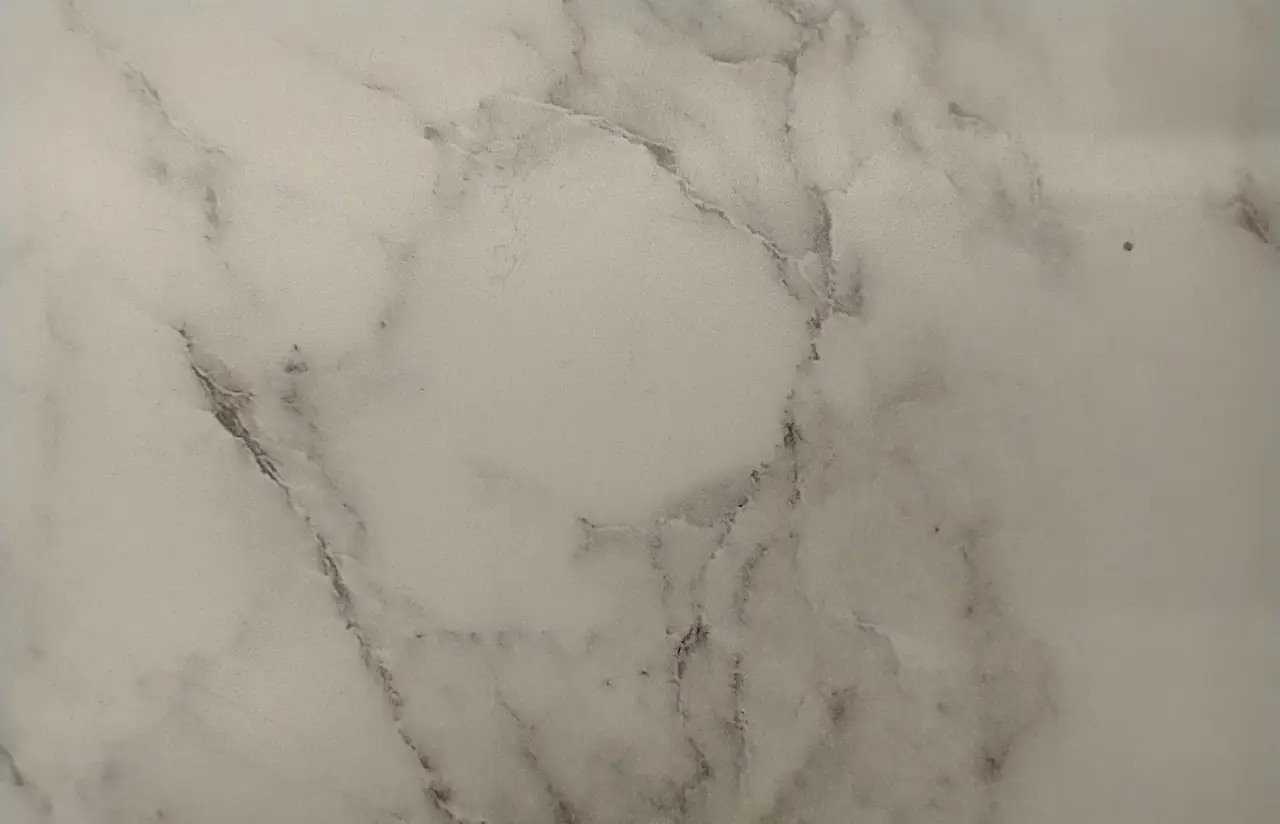
Recrystallised limestone prized for its veining and glow. Unbeatable for bathrooms, feature walls and statement floors, but it etches with acids.

  • Bathrooms and vanities
  • Feature walls and fireplaces
  • Interior floors

Best to buy: Mar–Jun, Sep–Nov

India flagBrazil flagChina flagNorway flag

Granite

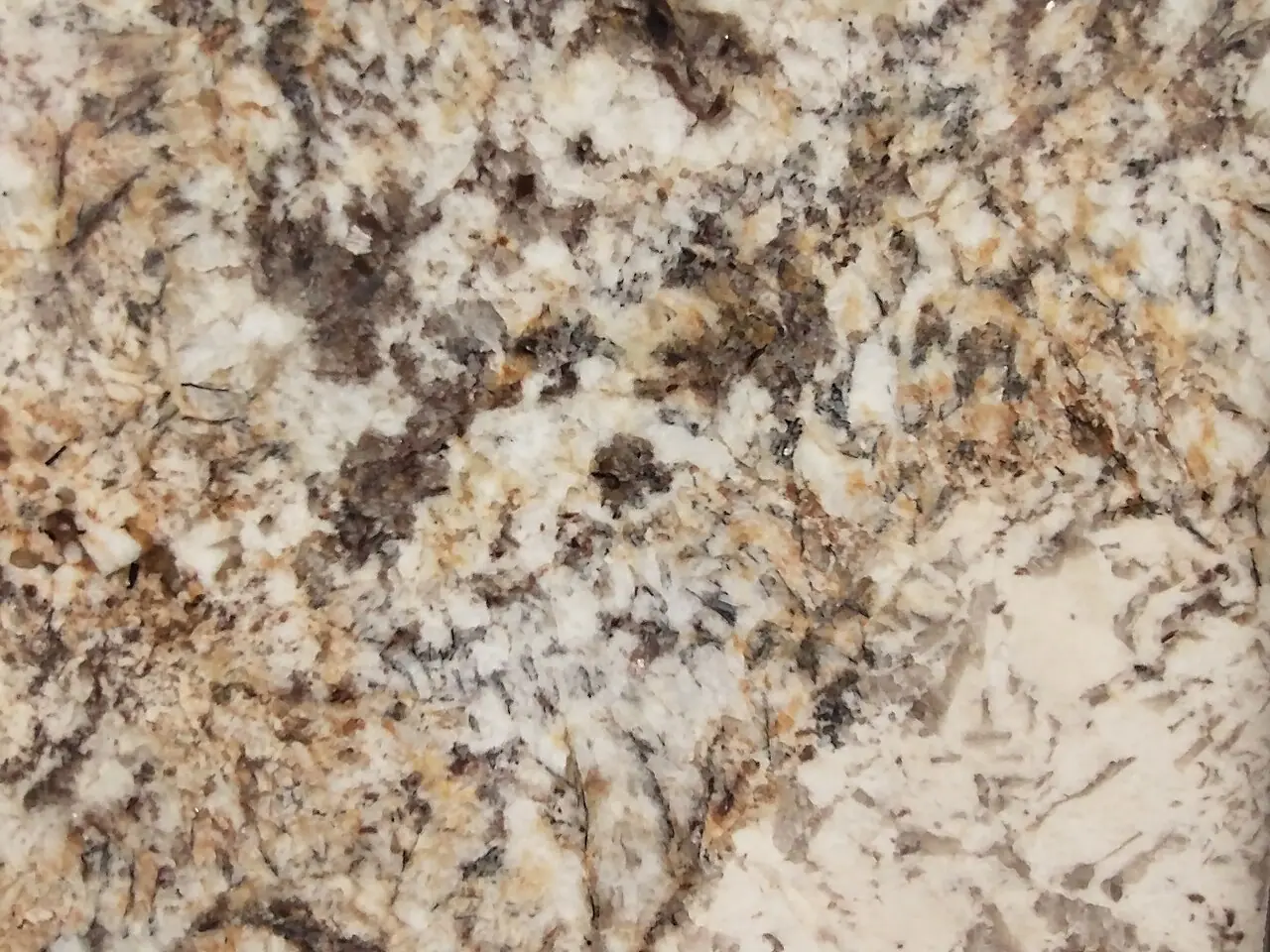
Crystalline igneous stone that shrugs off scratches, heat and acids. The world's go-to for countertops, stairs, paving and cladding.

  • Kitchen countertops
  • High-traffic floors and stairs
  • Exterior cladding and paving

Best to buy: Mar–May, Sep–Nov

Brazil flagIndia flagNorway flag

Quartzite

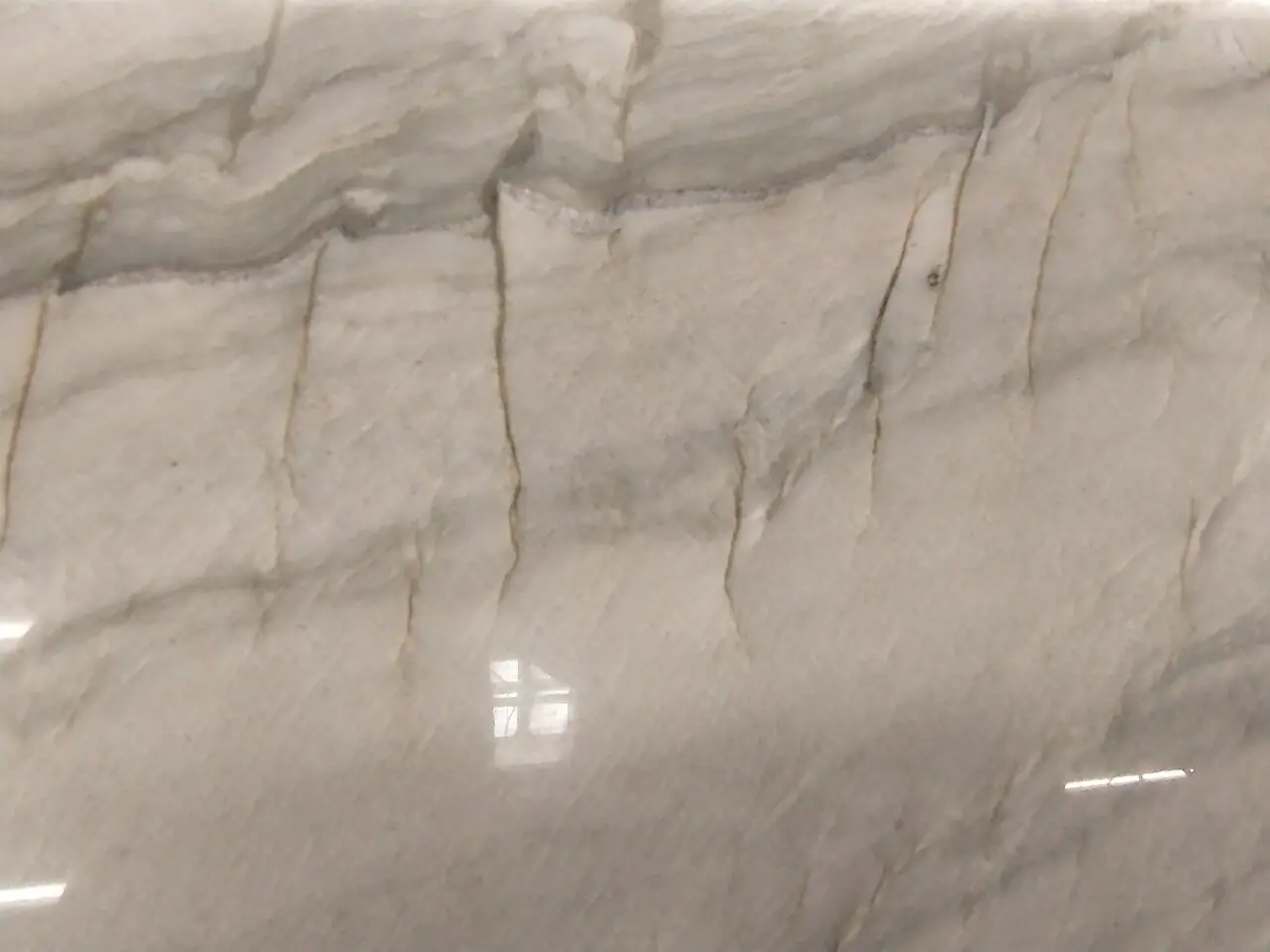
Metamorphosed sandstone fused into near-solid quartz. Premium kitchens love it for marble-like veining that doesn't etch.

  • Kitchen countertops
  • Islands and waterfall edges
  • Backlit features

Best to buy: May–Oct

All 13 guides