Stones buying guideLast updated October 2026

Limestone

Calm, honed elegance for façades, floors and heritage work.

Price level
Mid-range
Best to buy
Mar–May, Sep–Nov
Top sources
France flagPortugal flagEgypt flagIndia flagTurkey flag

Overview

What is limestone?

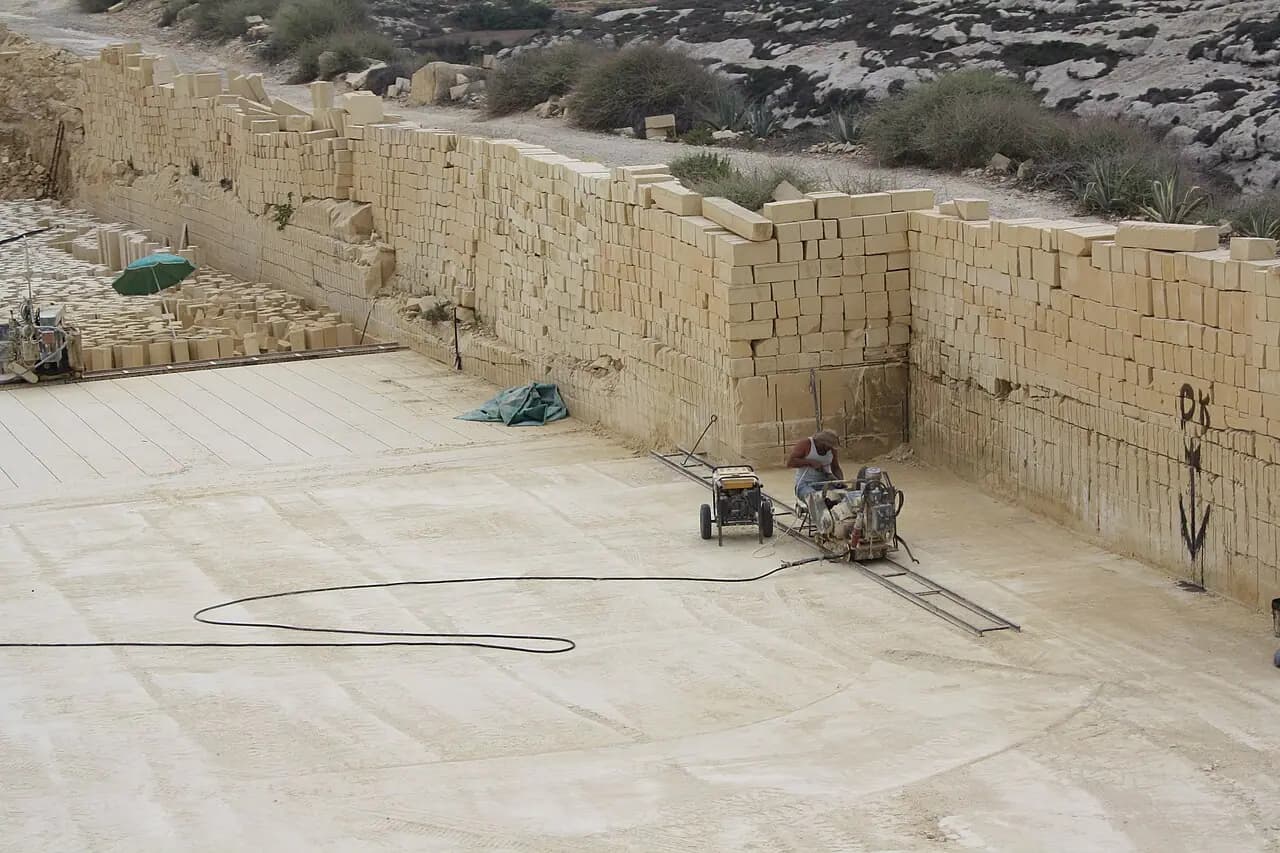
Limestone is a sedimentary rock built mostly from calcium carbonate: shells, coral and lime mud compacted over millions of years. Colours run from near-white through creams and honey tones to blue-grey, often with visible fossils. It is quieter than marble, which is exactly why architects love it for calm, monolithic interiors and façades.

Density varies enormously. A dense French or Portuguese limestone can last centuries on a façade, while a soft oolitic stone may suit interiors only. Always buy on test data (density, absorption, strength and frost resistance), never on looks alone.

Rock type
Sedimentary (calcium carbonate)
Hardness
3 to 4 Mohs
Water absorption
≤ 3% to ≤ 12% by density class (ASTM C568)
Acid sensitivity
High: etches
Finishes
Honed, brushed, sandblasted, bush-hammered, split-face
Key test
Frost resistance (EN 12371) for exteriors
Applications

Best used for

  • Façades and claddingDense grades are the classic ventilated-façade stone in Europe.
  • Interior floors and wallsHoned limestone gives a soft, warm, seamless look.
  • Fireplaces and carvingEven texture takes fine mouldings and lettering.
  • PavingKota and Tandur limestones are tough and very affordable.
  • Restoration and heritageMatching historic stone for repairs and extensions.

Think twice for

  • Kitchen worktops. Porous and acid-sensitive; stains and etches easily.
  • Soft grades outdoors. Low-density stones can spall in frost.

Know the names

Popular varieties

  • Moca Creme

    Portugal

    Cream with a fine linear grain.

  • Lioz

    Portugal

    Ivory-pink; Lisbon's monument stone.

  • Galala

    Egypt

    Soft even beige for large floors.

  • Kota Blue

    India

    Blue-grey, tough and cheap paving.

  • Jaisalmer Yellow

    India

    Golden yellow with fossil marks.

  • Portland

    UK

    White oolitic stone of London's landmarks.

Origins

Which countries to source from

The producing countries that matter for limestone, what each is known for, and a direct link to vendors there.
  • France flag

    France Leading source

    Premium architectural limestones

    • Burgundy: Massangis, Comblanchien
    • Heritage façade stones
    Vendors in France
  • Portugal flag

    Portugal

    Europe's value favourites

    • Moca Creme
    • Lioz
    • Moleanos
    • Ataija Azul
    Vendors in Portugal
  • Egypt flag

    Egypt

    Large-volume beiges for floors and cladding

    • Galala
    • Sinai Pearl
    • Sunny
    Vendors in Egypt
  • India flag

    India

    Tough paving limestones at low prices

    • Kota Blue and Brown (Rajasthan)
    • Tandur Yellow and Blue (Telangana)
    • Jaisalmer Yellow
    Vendors in India
  • Turkey flag

    Turkey

    Creams and beiges from Antalya and Burdur

    • Limra
    • Burdur Beige
    Vendors in Turkey
  • UK flag

    UK

    Heritage stones for restoration

    • Portland
    • Bath stone
    Vendors in UK

Timing

Best time of year to buy

Order façade stone three to six months before installation. European quarries slow in August; Egyptian and Indian quarries prefer the cooler months.

  1. Jan: normal
  2. Feb: normal
  3. Mar: best time to buy
  4. Apr: best time to buy
  5. May: best time to buy
  6. Jun: normal
  7. Jul: slower or pricier
  8. Aug: slower or pricier
  9. Sep: best time to buy
  10. Oct: best time to buy
  11. Nov: best time to buy
  12. Dec: normal
Best time to buy Normal Slower or pricier
  • French and Portuguese quarries and cutting yards take summer holidays, mostly in August.
  • Egyptian summer heat and Ramadan slow production; Indian quarries slow in the monsoon.
  • Cut-to-size façade orders involve shop drawings, anchoring slots and QA, so lead times are long.

Import costs

Tariffs and import duties

Base duties for the main import markets, the extra US surcharge by origin, and the trade remedies to check before you quote a landed price.

HS codes

  • 2515.20Blocks (other calcareous stone)
  • 6802.29Simply cut or sawn
  • 6802.92Worked limestone

Base import duty (MFN)

  • United States4.9%Simply cut or sawn calcareous stone (HTS 6802.29.10) is 4.9 percent. Worked limestone (HTS 6802.92.00) is 4.9 percent.
  • European Union0% to 1.7%Blocks are duty-free. Worked limestone (CN 6802.92) is 0 percent or 1.7 percent depending on specific tariff treatment.
  • United Kingdom0%

Importing into the US? Add the 2026 origin surcharge

Section 301 rates in force since 24 July 2026, stacked on the MFN rate above.

  • France flagFrance10% min.Section 301 (2026) tops the duty up to at least 10% in total; no surcharge if MFN is already higher.
  • Portugal flagPortugal10% min.Section 301 (2026) tops the duty up to at least 10% in total; no surcharge if MFN is already higher.
  • Egypt flagEgypt+12.5%Section 301 (2026) adds 12.5% on top of the MFN rate.
  • India flagIndia+10%Section 301 (2026) adds 10% on top of the MFN rate.
  • Turkey flagTurkey+12.5%Section 301 (2026) adds 12.5% on top of the MFN rate.
  • UK flagUK+10%Section 301 (2026) adds 10% on top of the MFN rate.
  • Polished limestones are often sold as "marble". Classification follows the rock, not the trade name; a petrography report settles disputes.
  • Imports from China may be subject to additional duties including Section 301 tariffs which can significantly increase the effective rate.

Rates checked October 2026. Indicative rates for planning, not a customs ruling. Duties depend on the exact tariff line, origin, trade agreements and the rules in force on the day of entry. Confirm with a licensed customs broker before you price an order.

Before you order

Buying checklist

  1. 1Ask for density and absorption (EN 1936 / ASTM C97) and frost resistance (EN 12371) for exteriors.
  2. 2Match the density class to the job: high density for façades and paving.
  3. 3Check shade variation across the whole lot; bed-to-bed colour drift is common.
  4. 4Fossils and shell holes are natural. Agree an acceptable range with photos.
  5. 5Use white, low-alkali setting materials on light stones to avoid staining.
  6. 6Seal with a breathable impregnator.

Price level: Indian paving limestones are among the cheapest stones traded; premium French façade stone is expensive once cut to size.

Vendor Network

Ready to source limestone?

Compare verified suppliers, or post an RFQ and let them come to you with quotes.

Keep reading

More in Stones

Italy flagTurkey flagGreece flagSpain flag

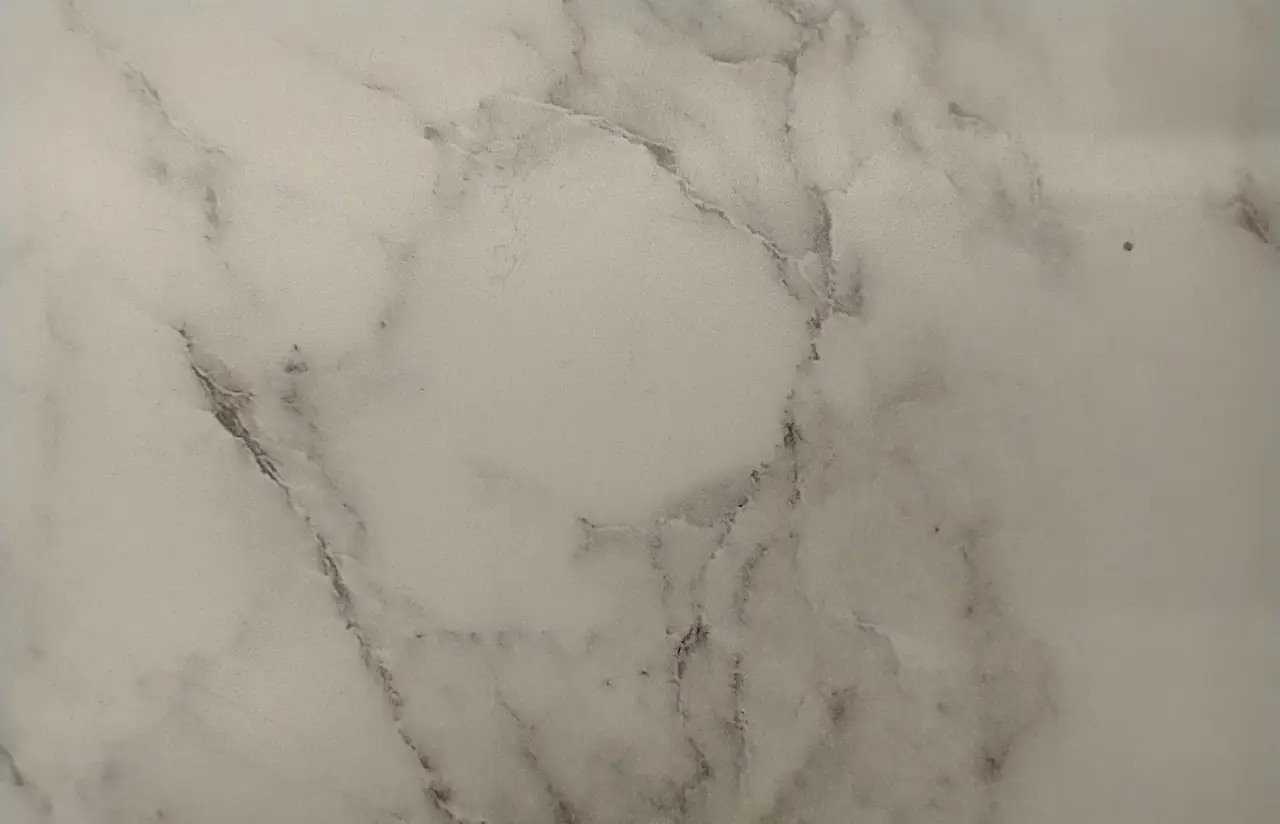
Marble

Recrystallised limestone prized for its veining and glow. Unbeatable for bathrooms, feature walls and statement floors, but it etches with acids.

  • Bathrooms and vanities
  • Feature walls and fireplaces
  • Interior floors

Best to buy: Mar–Jun, Sep–Nov

India flagBrazil flagChina flagNorway flag

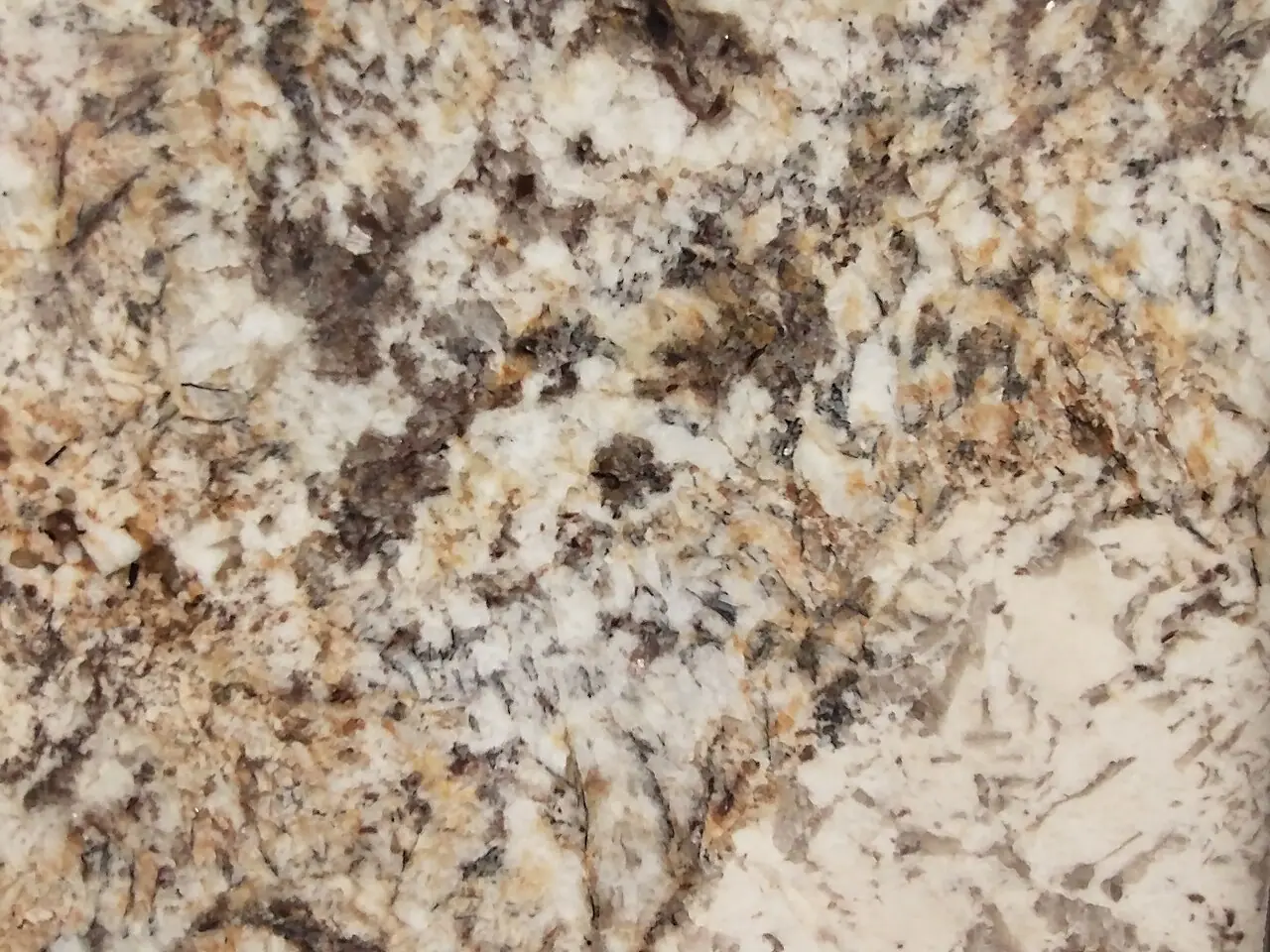
Granite

Crystalline igneous stone that shrugs off scratches, heat and acids. The world's go-to for countertops, stairs, paving and cladding.

  • Kitchen countertops
  • High-traffic floors and stairs
  • Exterior cladding and paving

Best to buy: Mar–May, Sep–Nov

Brazil flagIndia flagNorway flag

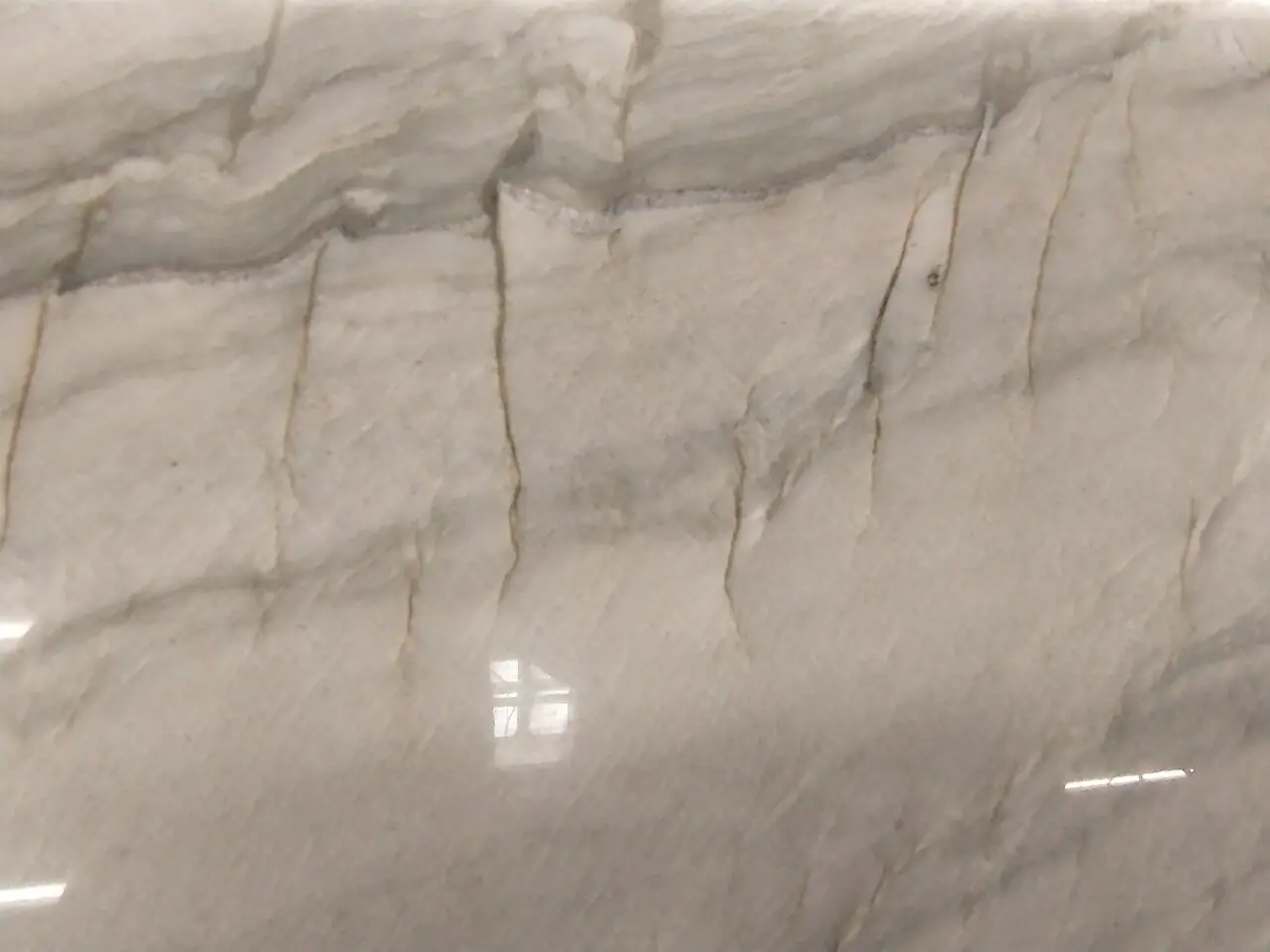
Quartzite

Metamorphosed sandstone fused into near-solid quartz. Premium kitchens love it for marble-like veining that doesn't etch.

  • Kitchen countertops
  • Islands and waterfall edges
  • Backlit features

Best to buy: May–Oct

All 13 guides