AI in the Stone Industry — Slab Scanning, Nesting and Automated Quoting
 Team
Team
Where software is actually delivering
Strip away the vendor language and there are four areas where computation is producing real, measurable returns in stone processing today.
1. Slab digitisation and virtual layout
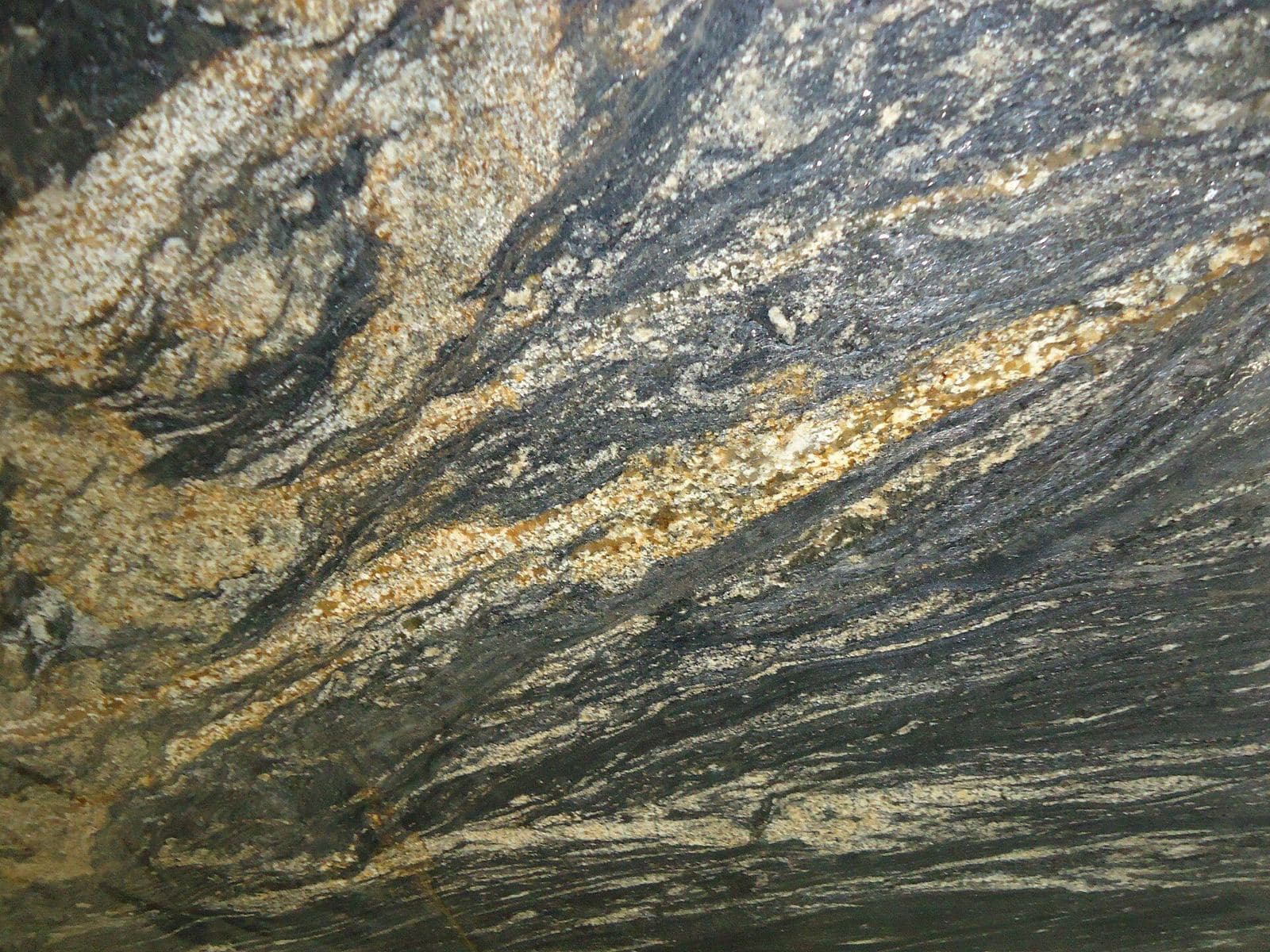
High-resolution slab scanning has become standard at larger processors. Every slab is photographed under controlled lighting and stored as a calibrated digital image. Fabricators and clients then lay out cut pieces on the actual slab image, positioning a vein exactly where it should fall on a finished island or a bookmatched wall. This is not new technology, but it has become cheap enough for mid-sized shops, and clients increasingly expect it.
2. Nesting optimisation
Nesting software places the required cut pieces on available slabs to minimise waste, respecting grain direction and defect zones. On a natural material with irregular usable area, good nesting is the difference between buying five slabs and buying six. This is the clearest and most immediate return of any software in the category.
3. Defect detection
Machine-vision systems trained to flag fissures, pitting and colour anomalies are in production at large plants. They are best understood as a consistency tool: a scanner does not get tired at the end of a shift. Human grading judgement is still required — the systems flag, people decide.
4. Quotation and takeoff
Extracting quantities from drawings and generating a priced takeoff is repetitive, error-prone work that software handles well. For vendors quoting a high volume of small enquiries, automating first-pass takeoff frees skilled estimators for the complex jobs where their judgement is worth paying for.
What is still overstated
- Fully automatic grading. Grade is partly a commercial judgement about which customer will accept what. That is not a computer-vision problem.
- Colour matching from photographs. Screens vary, lighting varies, and calibration drifts. Digital matching narrows the shortlist; it does not replace approving a physical sample.
- "AI pricing" for natural stone. Pricing depends on block yield, quarry access and current demand for a specific vein pattern. Models help; they do not know what your quarry will produce next month.
What a buyer should ask for
If you are specifying anything where vein placement matters, ask whether the supplier can send you scans of the actual slabs reserved for your order and a proposed layout. A vendor who can do this is running a modern shop, and you will get the material you expected. A vendor who sends a stock photo of the variety is asking you to take a risk you do not need to take.
Gallery

Topics