Porcelain and Sintered Slabs vs Natural Stone — Where the Market Is Actually Splitting
 Team
Team
Two materials, two different arguments
The debate is usually framed as natural versus manufactured, which is not how specifiers actually decide. They decide application by application, and the split is consistent enough to plan a business around.
Where porcelain and sintered surfaces are winning
- Very large format, low weight. Thin large-format panels solve problems natural stone cannot — facade weight limits, over-cladding existing surfaces, lift and handling constraints in occupied buildings.
- Total colour and pattern consistency. When a client wants forty identical bathrooms in a hotel, natural variation is a liability, not a feature.
- Outdoor decking and pool surrounds. Frost resistance, UV stability and zero porosity make a strong technical case.
- High-abuse commercial surfaces. Heat and stain resistance in commercial kitchens and labs.
Where natural stone is holding or gaining
- Anything with prestige signalling. Hotel lobbies, flagship retail, high-end residential. Clients paying for authenticity can tell the difference and are buying the difference.
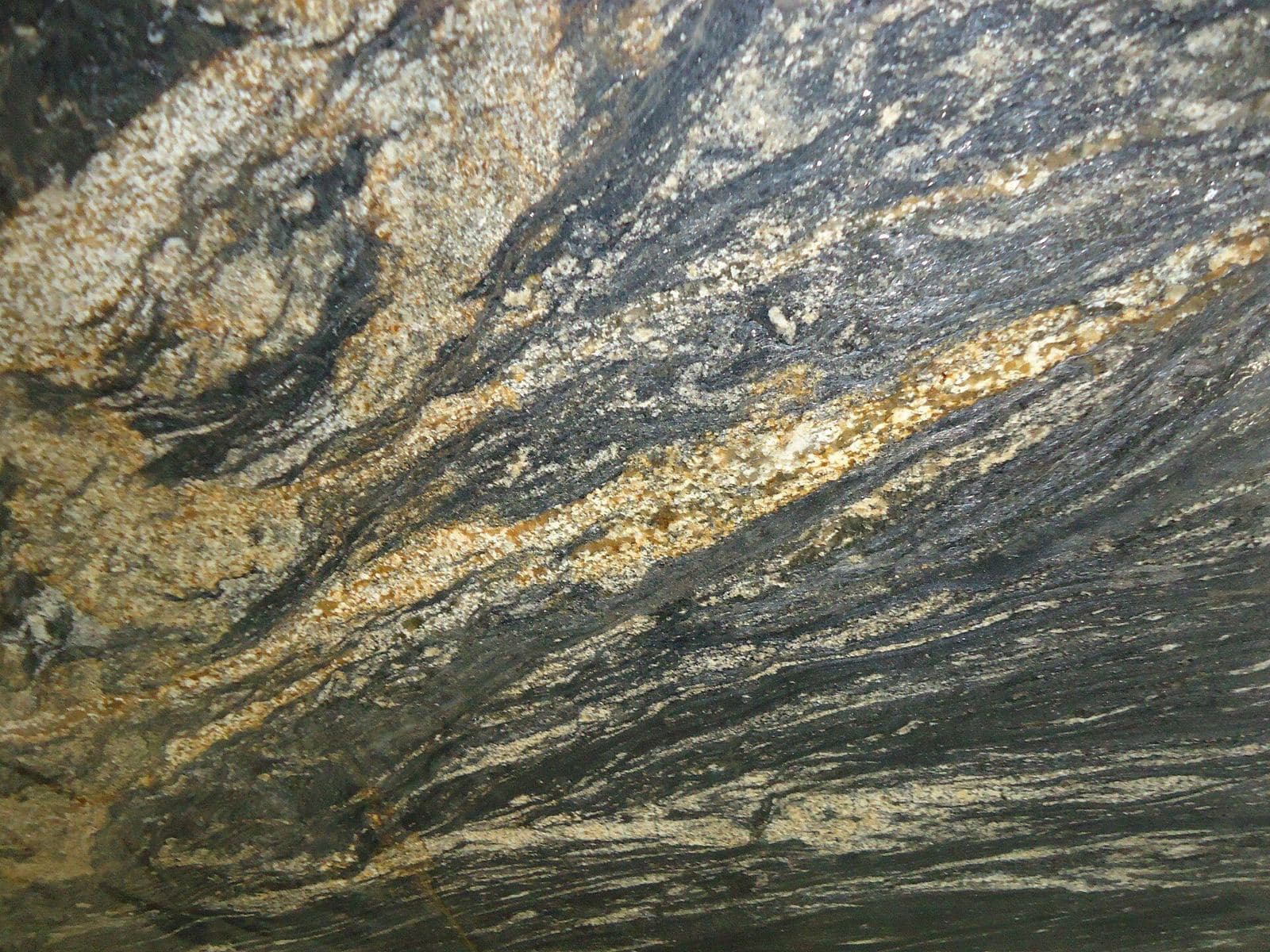
- Bookmatched and continuous-vein features. A printed pattern repeats. A real block does not.
- Thick sections, solid detail, carving. Sinks, mouldings, columns, sculptural work — solid material behaves in ways a thin panel cannot.
- Very long service life projects. Repairability and matching decades later favour a quarried material that will still be quarried.
- Repair and heritage. Not a contest.
The honest technical comparison
Sintered and porcelain surfaces genuinely outperform most natural stone on porosity, acid resistance and scratch resistance. Natural stone genuinely outperforms them on depth of appearance, thick-section capability, repairability and — depending on the specific product and transport distance — sometimes on embodied energy, since firing porcelain at high temperature is energy intensive while quarrying and sawing stone is comparatively less so. Both statements are true at the same time and neither settles a specification on its own.
What this means if you sell natural stone
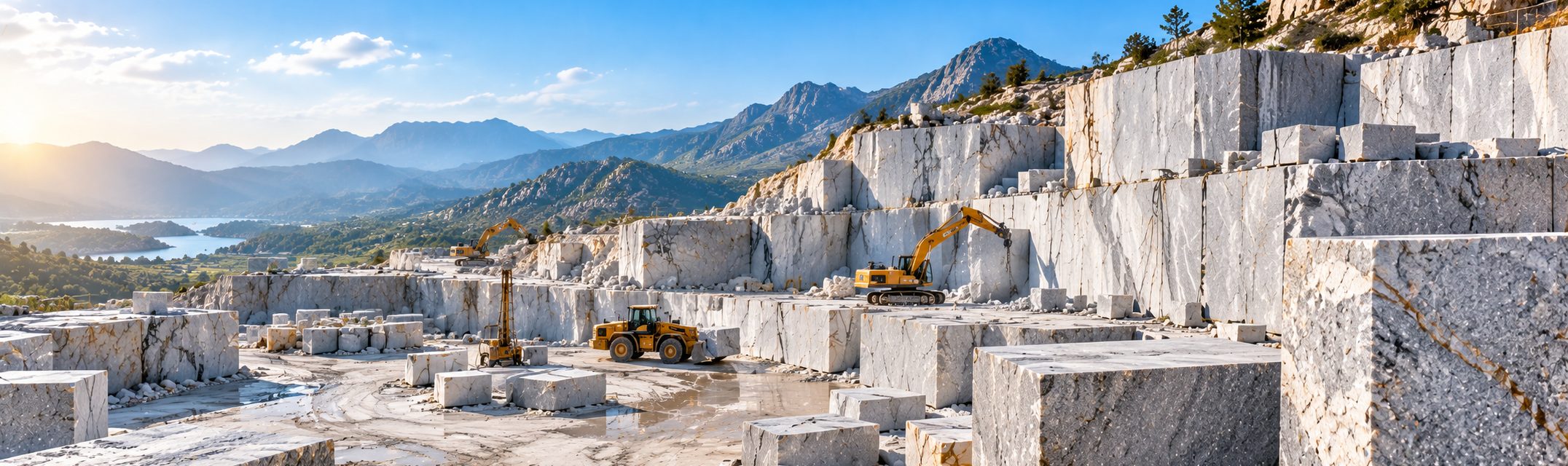
Stop competing on the ground where you lose. Trying to win a forty-identical-bathrooms job on consistency is a losing argument. Compete where the material's nature is the product: feature walls, bookmatched slabs, thick sections, provenance, and the fact that no two installations are the same. Sell scans of the actual slabs. Sell the quarry. That is the part no manufacturer can print.
Further reading
- Sintered stone — material overview (Wikipedia)
- Natural Stone Institute — technical bulletins and specification guidance.
Topics