Top Natural Stone Trends in 2026
 Team
Team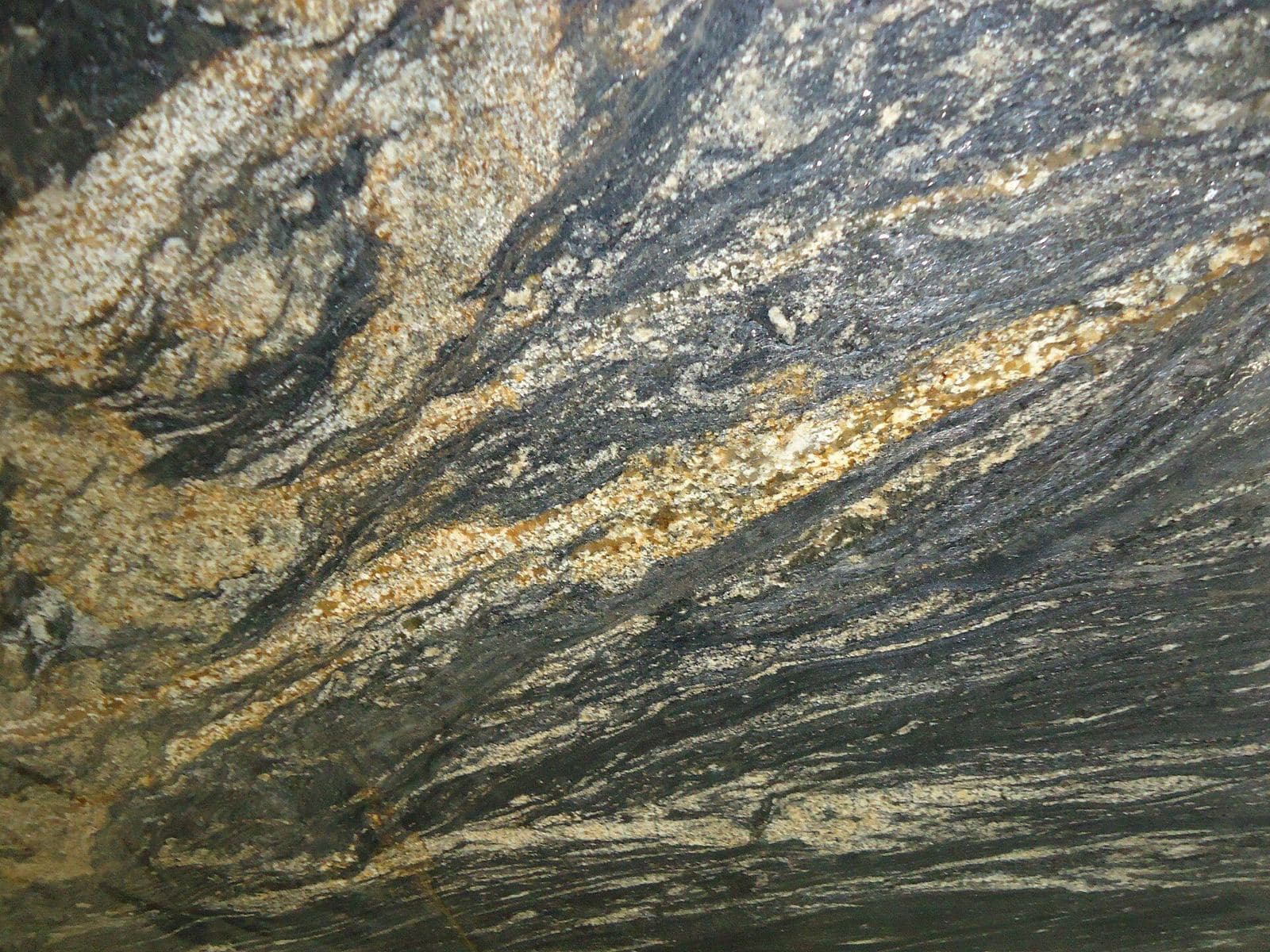
What is moving in 2026
Trends in stone move slower than in fashion — a quarry decision lasts decades — but the demand signals are clear this year. This is a view from the sourcing side: what buyers ask vendors for, and what that means if you sell. For the interior-design angle, read our companion piece on design trends shaping modern interiors.
1. Quartzite keeps climbing
Buyers who want the look of marble with more hardness continue to move to quartzite, particularly the dramatic Brazilian varieties with bold veining and colour. The trend has a catch: demand has pulled some softer, dolomitic stones into the "quartzite" name. Serious buyers now ask for hardness and etch test results before paying quartzite prices.
2. Warm, earthy colours
Stark white-and-grey is giving ground to warmer palettes — taupe, greige, honey, rust and deep brown — with green stones enjoying a revival in statement pieces. Travertine and warm limestones are back in both interiors and facades after years out of favour.
3. Matte and tactile finishes
Honed, leathered and brushed finishes now rival polished in residential orders. They hide fingerprints, soften etching on marble, and read as more natural. Textured and fluted surfaces — routed or wire-cut profiles on walls, islands and furniture — are appearing well beyond boutique hotels.
4. Bigger, bolder applications
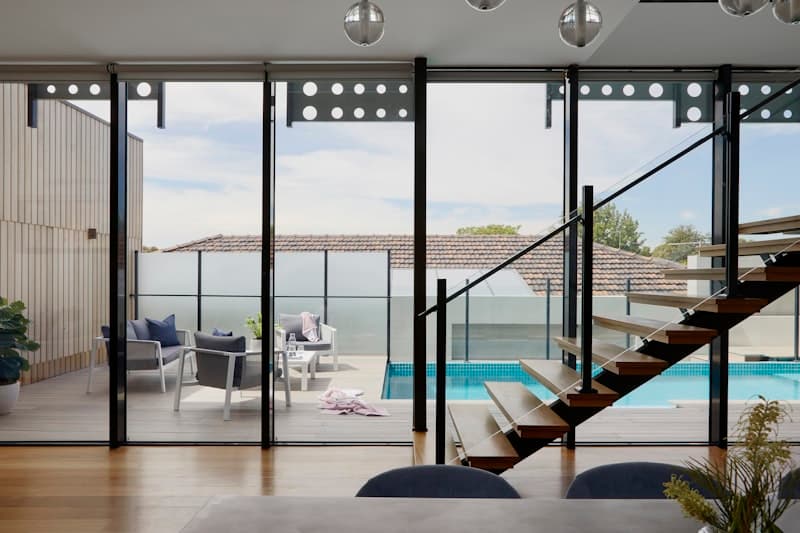
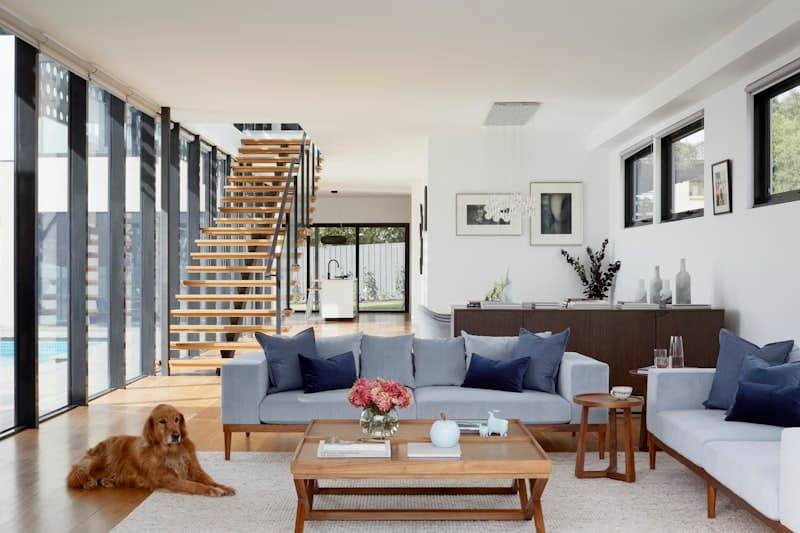
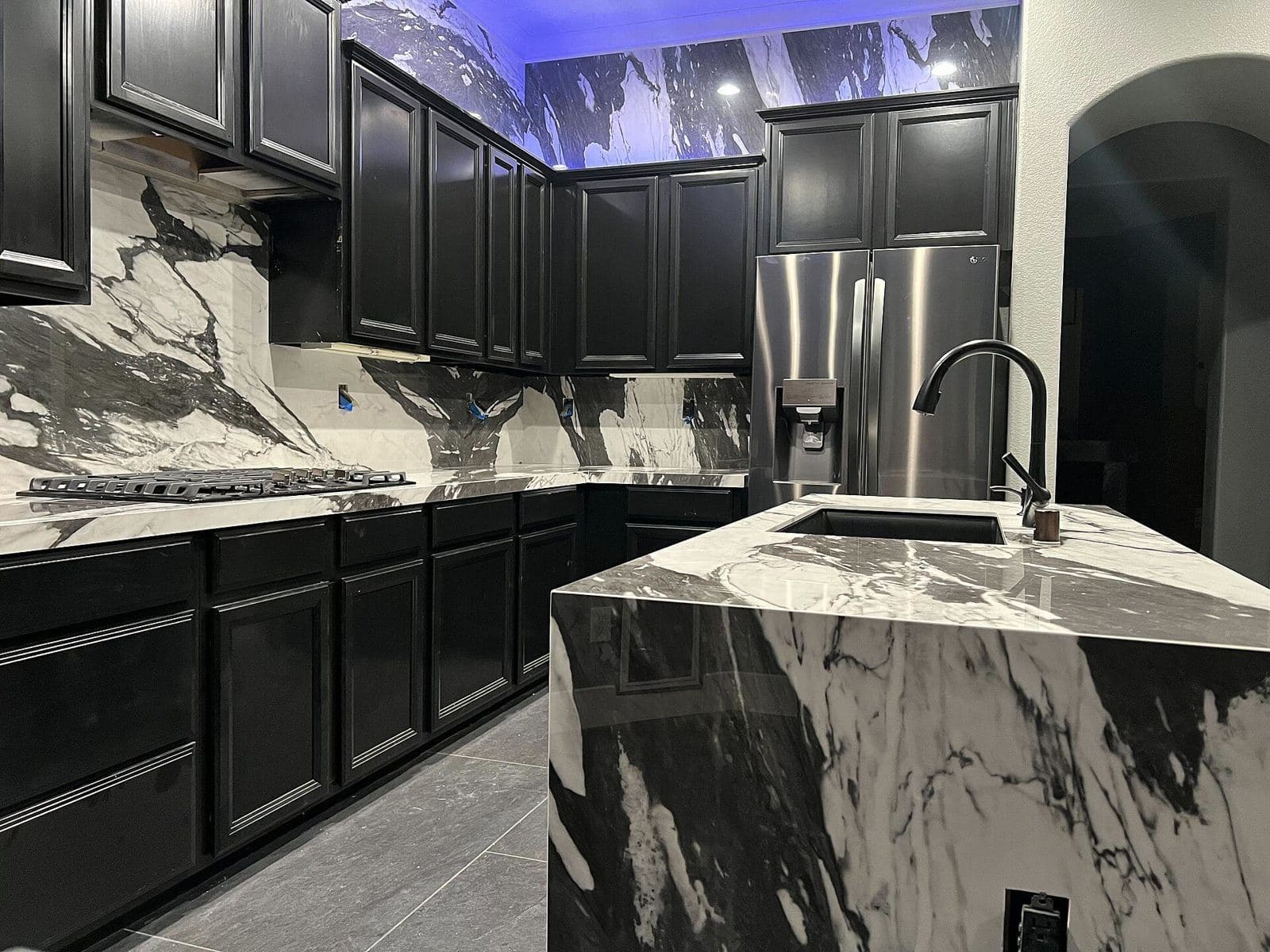
Full-height backsplashes, waterfall islands and wall-to-wall slab cladding are standard requests in the premium segment, which pushes demand toward larger slabs and consistent blocks. Monolithic pieces — carved basins, bath tubs, stairs and furniture cut from a single block — are growing from a very small base.
5. Natural stone benefits from engineered stone rules
Health regulation around respirable crystalline silica has reshaped part of the surfaces market. Australia banned engineered stone from July 2024, and other jurisdictions have tightened fabrication controls. Natural stones with lower free-silica content — marble, limestone and many dolomites — are the main beneficiaries, while granite and quartzite fabrication is subject to the same dust controls as everything else. Our article on engineered stone bans covers the detail.
6. Traceability as a selling point
More buyers — especially in Europe and on large commercial projects — want to know the quarry, not just the country. Vendors who publish origin, block information and certifications win enquiries that anonymous "Italian marble" listings do not. See provenance goes digital.
7. Exterior stone and ventilated facades
Thin stone cladding on ventilated rainscreen systems continues to grow on commercial projects, driven by performance and by architects' appetite for durable, natural facades. That favours stones with strong frost and flexural data, and suppliers who can calibrate and anchor-drill panels accurately.
What this means if you sell stone
- Publish test data — hardness, absorption, flexural strength — on your listings, especially for quartzites.
- Photograph finishes other than polished; buyers are searching for them.
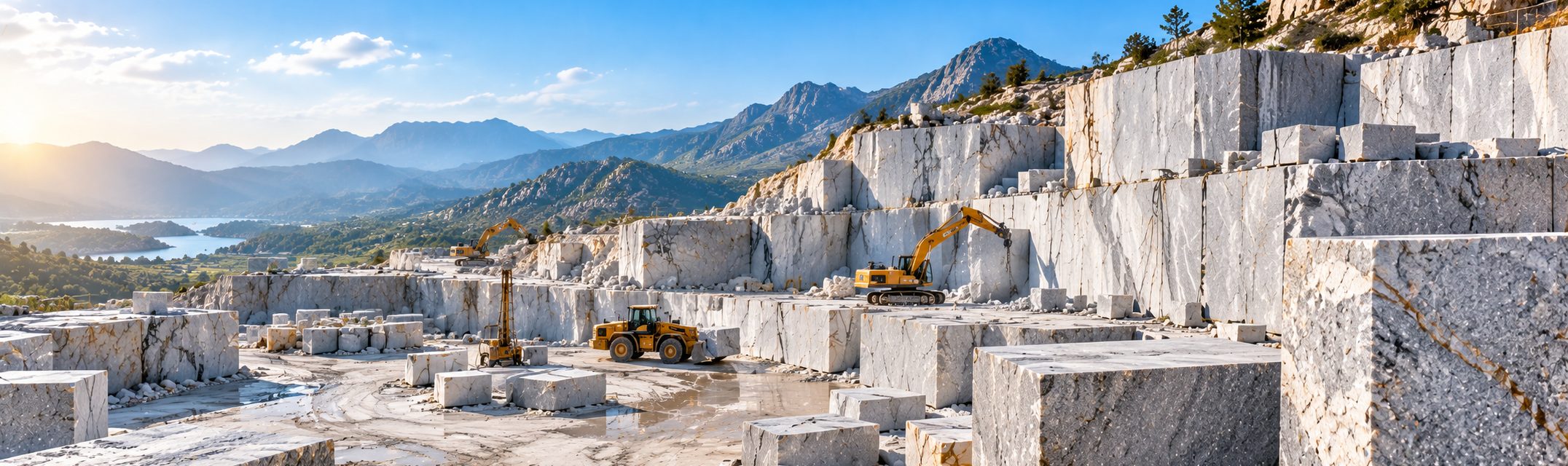
- Show full slabs and lots, not just close-ups, to sell the large-format applications.
- Put origin and certifications front and centre.
What this means if you buy
- Verify "quartzite" claims with test data before paying a premium.
- Reserve material from a single block early for large or bookmatched installations.
- Consider warmer and less-requested stones — they can offer better value while demand concentrates elsewhere.
Browse live listings on LithoPrime to see what vendors are offering now, and use the Vendor Network to find quarries by stone type and country.
Trend observations reflect enquiry patterns and published industry commentary; regional markets differ. Regulatory references are summarised — check current rules in your jurisdiction.
Photos: Granite slab up close by Tomwsulcer, CC0, via Wikimedia Commons; Kitchen countertop installation & custom stone fitting by Donovan Nimmo, CC0, via Wikimedia Commons.
Gallery
Topics