Natural Stone Buying Guide — What to Consider Before You Purchase
 Team
Team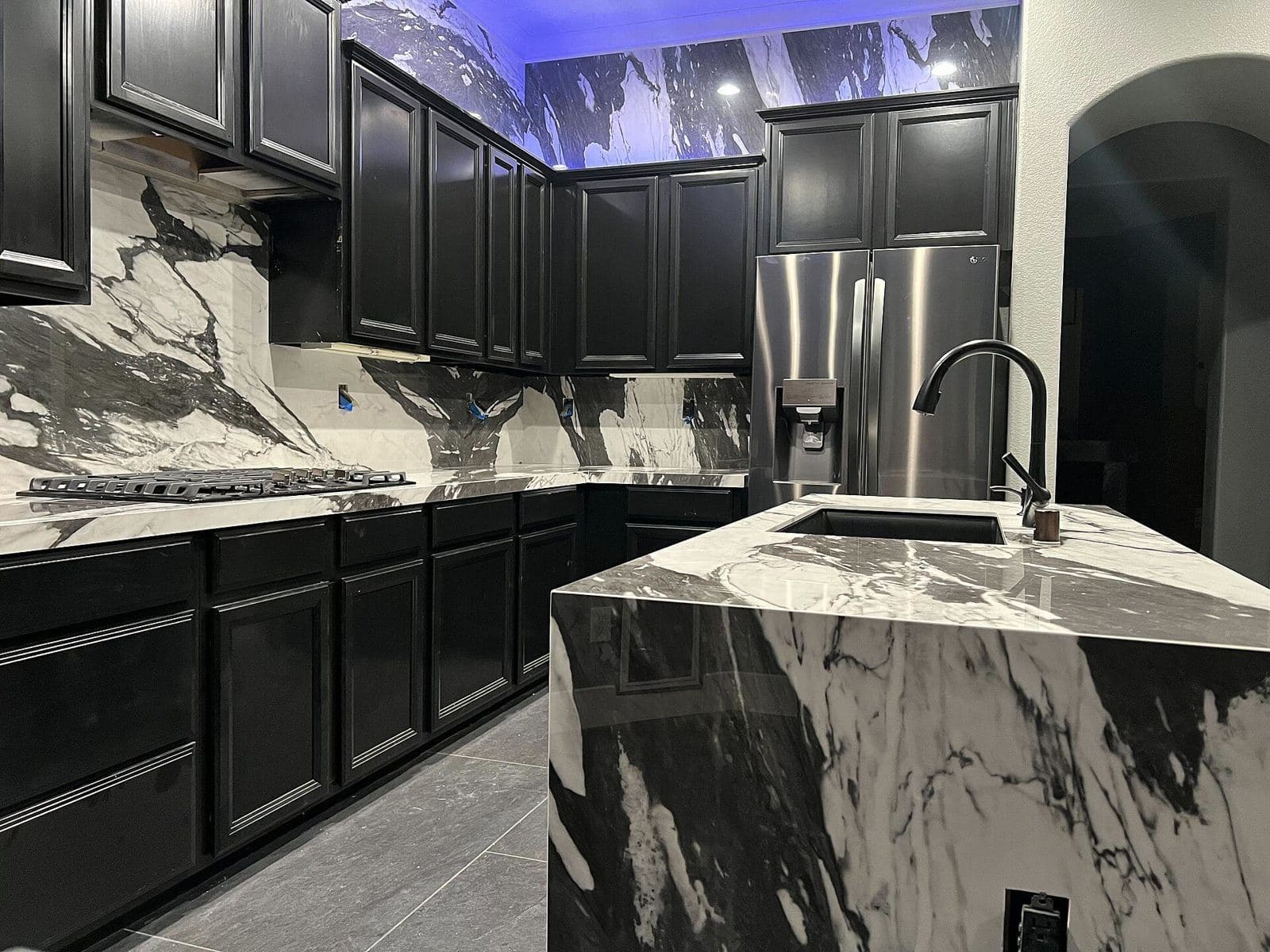
Start with the application, not the stone
Most disappointing stone purchases are not bad stone — they are the right stone in the wrong place. Before you fall for a slab, pin down where it is going and what it has to survive:
- Interior or exterior? Outdoors, frost, UV and de-icing salts rule out some stones and finishes.
- Floor, wall or worktop? Floors need abrasion and slip resistance; worktops need stain and etch resistance; walls are the most forgiving.
- Wet or dry? Showers, pool surrounds and kitchens punish porous stones and polished finishes.
- Traffic and use. A hotel lobby and a private bathroom are different engineering problems even with the same stone.
Know the families
- Granite — hard, dense and low-porosity. The workhorse for kitchens, paving and heavy-traffic floors.
- Marble — softer and calcite-based, so it scratches and etches with acids (lemon, wine, vinegar). Unmatched beauty; accept the patina or choose a honed finish.
- Quartzite — a metamorphosed sandstone that can look like marble but is far harder. Beware of soft "quartzites" that are really dolomitic marble; ask for test data.
- Limestone and travertine — warm, calm and widely used for floors and cladding. Porosity and density vary a lot; check the numbers for your use.
- Slate and sandstone — naturally textured and slip-resistant; popular for exteriors and roofing.
Our marble vs granite vs quartzite explainer goes deeper on the differences.
Ask for the numbers
A reputable supplier can provide test data for the properties that matter to your application. The key ones are water absorption, density, flexural strength, abrasion resistance, and — for exteriors — frost resistance. For floors, ask for slip-resistance values for the finish you are buying, not the polished sample on the table. In Europe these come from EN test methods and appear in the Declaration of Performance; elsewhere ASTM methods are common. Either way, no data is a warning sign.
Choose the finish for the job
- Polished — maximum colour and depth, but more slippery when wet and shows etching on marble.
- Honed — matte and calm; hides wear and etching better, good for floors and marble worktops.
- Leathered or brushed — tactile and forgiving of fingerprints; increasingly popular for kitchens.
- Flamed, bush-hammered or sandblasted — rough, slip-resistant exterior finishes, mainly for granite.
See stone finishes explained for a full comparison.
Select the actual material
Natural stone varies block to block. A small sample shows colour, not the pattern across a room. For anything visible, see — in person or by high-resolution photos of the real lot — the slabs you will receive, ideally all cut from the same block and numbered in sequence. For feature walls, ask about bookmatching. Our guide on how to read a slab explains what resin fill, mesh backing and veining tell you.
Get thickness and quantity right
- Common slab thicknesses are 20 mm and 30 mm; the right choice depends on span, overhang and fixing. See our thickness guide.
- Allow for waste: 10–15% is a sensible planning figure for tiles and simple layouts, more for complex cuts or pattern matching.
- Order the full quantity at once. A later top-up may come from a different block and never match.
Understand the price
The price per square metre depends on the stone's rarity, block yield, thickness, finish, slab size and grade — and then on freight, duties and fabrication. Compare quotes on the same basis: same thickness, finish, grade and Incoterm. Our price guide breaks this down.
Check the supplier, not just the stone
- Confirm the company is registered and has a verifiable address and track record.
- Ask for references or recent project photos, and for export documentation if you are importing.
- Agree packing — A-frames or crates, with heat-treated (ISPM 15) timber for international shipping.
- For larger orders, arrange an independent pre-shipment inspection. See how to verify quality before buying in bulk.
- Use payment terms that match the risk — never 100% upfront with a new supplier.
A one-page checklist
- Application defined: location, use, traffic, exposure.
- Stone family and specific stone chosen, with test data.
- Finish chosen for the use, with slip data for floors.
- Actual slabs or lot approved; same block where it matters.
- Thickness, sizes and quantity (with waste) confirmed.
- Quotes compared like-for-like, including freight and duty.
- Supplier verified; packing, inspection and payment terms agreed.
On LithoPrime you can compare verified vendors, review their specifications and certifications, and send one structured quote request to a shortlist — the fastest way to turn this checklist into comparable offers.
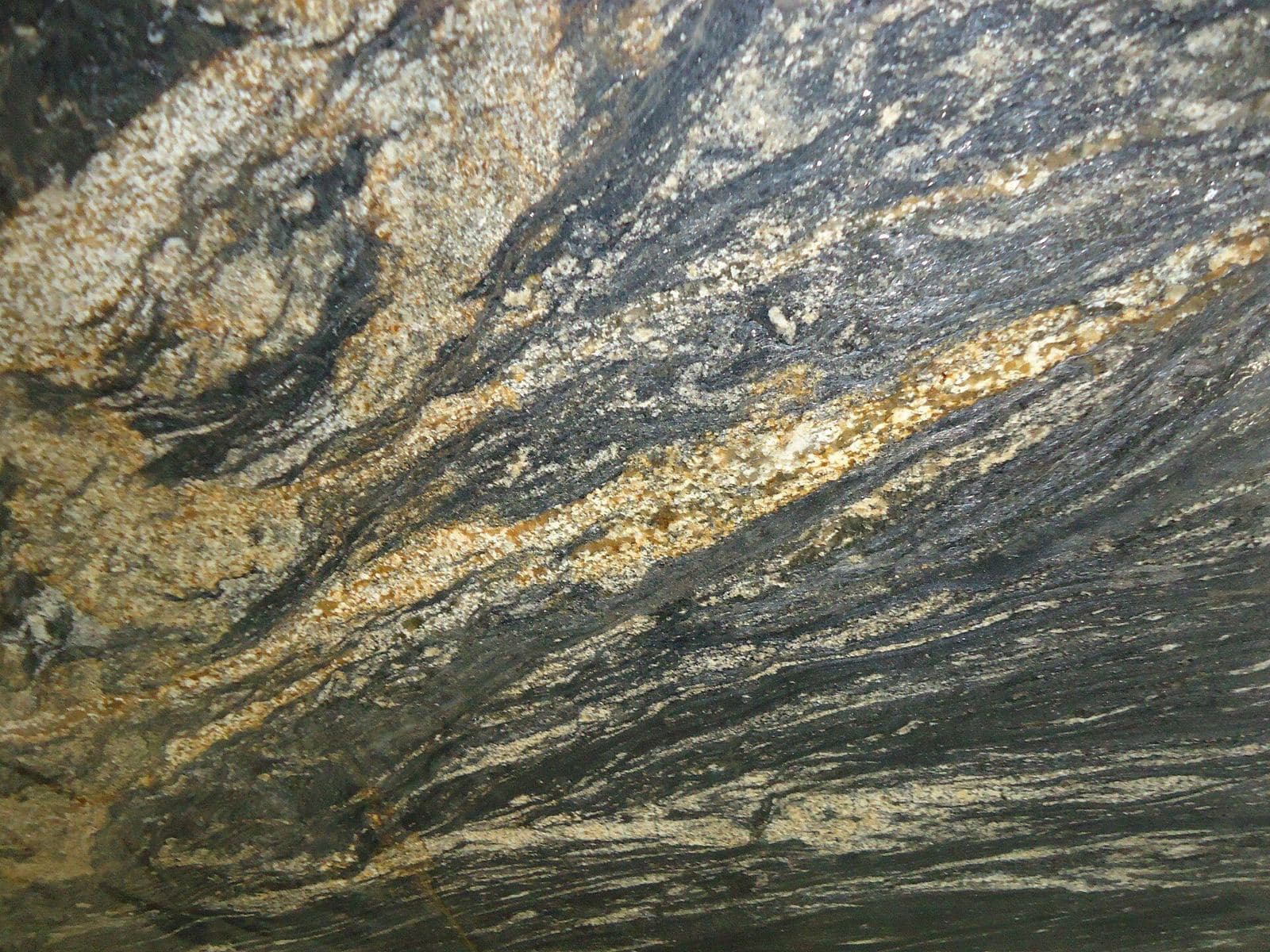
Photos: Kitchen countertop installation & custom stone fitting by Donovan Nimmo, CC0, via Wikimedia Commons; Granite slab up close by Tomwsulcer, CC0, via Wikimedia Commons.
Gallery
Topics